
Unlock Bilingualism: Make Reading Interactive & Fun
As parents, we all dream of giving our children the best possible start in life, and for many, that includes the invaluable gift of bilingualism. But the journey to raising a bilingual child, especially between the ages of 2 and 7, often comes with its unique set of challenges. How do you maintain their interest when one language feels more dominant? How do you make the learning process feel less like a chore and more like an exciting adventure? The common struggle is keeping engagement high while effectively fostering dual language proficiency, particularly when it comes to the crucial foundation of reading.
The good news is that the solution lies in a powerful, natural approach: making bilingual reading for kids an interactive and thoroughly enjoyable experience. By transforming storytime into an engaging, multi-sensory activity, you not only accelerate language acquisition but also build a profound love for both languages. This approach isn't just about translating words; it's about immersing your child in a vibrant world where every page turn offers a new discovery, every character interaction deepens understanding, and every choice empowers their learning journey. Let's explore how interactive, bilingual stories can naturally boost language skills and maintain high engagement for your little ones.
The Power of Play in Language Learning
For young children, play is not merely a pastime; it is the primary vehicle for learning and development. Their brains are wired to absorb information most effectively when they are actively engaged, curious, and having fun. This principle is especially true when it comes to language acquisition. Traditional rote learning or simply listening to a second language can often fall short for energetic toddlers and preschoolers who crave interaction and novelty. When bilingual reading for kids is approached as a playful activity, it taps into their natural inclination to explore and experiment, making the learning process feel effortless and intrinsically rewarding.
Interactive elements in reading go far beyond just turning pages. They involve asking questions, making predictions, acting out scenes, and even making choices that influence the story's direction. This level of engagement transforms passive listening into active participation, which is vital for developing deeper comprehension and retention in both languages. Imagine a child who isn't just hearing a story in Spanish and English but is actively pointing to objects, mimicking character voices, and even solving mini-puzzles embedded within the narrative. This multi-modal engagement stimulates various parts of their brain, forging stronger neural pathways for language processing.
Moreover, the playful aspect of interactive bilingual reading helps to mitigate potential frustrations that might arise when a child encounters unfamiliar vocabulary or grammatical structures in the second language. When the overall experience is positive and enjoyable, moments of difficulty become minor hurdles rather than major roadblocks. Children are more likely to persevere and remain curious when they associate language learning with joy and adventure. This positive association is crucial for fostering a lifelong enthusiasm for bilingualism, encouraging them to embrace both languages as valuable tools for communication and exploration.
Turning Pages into Adventures: Strategies for Interactive Bilingual Reading
Now that we understand the 'why,' let's delve into the 'how.' Making bilingual reading for kids interactive doesn't require elaborate setups; it's about infusing creativity and engagement into every storytime session. One of the most effective ways to do this is through incorporating elements of choice and active participation.
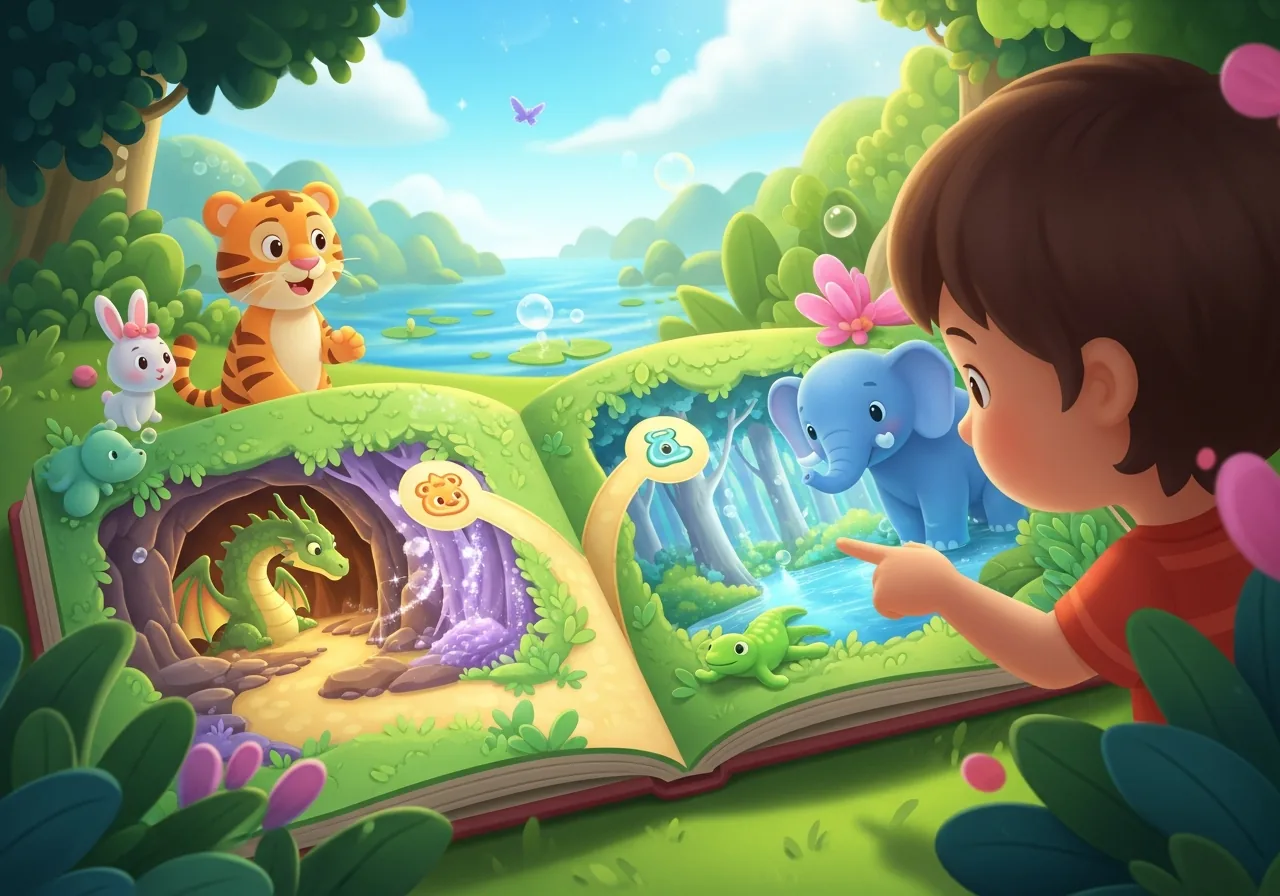
- Choose-Your-Own-Adventure Stories: Imagine a book where your child's decisions determine the plot! This format is incredibly engaging because it gives children agency over the narrative. When reading a bilingual version, you can present options in both languages, encouraging them to understand the choices in context. For example, 'Should Siso the tiger go left to the river (río) or right to the mountain (montaña)?' This not only reinforces vocabulary but also develops critical thinking skills.
- Role-Playing and Character Voices: Don't just read the words; bring the characters to life! Use different voices for each character, exaggerate emotions, and encourage your child to mimic sounds or simple phrases in both languages. If Siso the tiger roars, prompt your child to roar back in both languages: '¡Rrrrr! What does Siso say? ¡Rrrrr! Siso says, Rooooar!' This makes the story more dynamic and memorable.
- Connect to the Real World: After reading about a character like Siso the tiger, talk about real tigers or other animals, perhaps watching a short, bilingual video about them. If the story involves a trip to the farm, discuss a previous visit to a real farm, naming animals and objects in both languages. This bridges the gap between the fictional world of the book and your child's everyday experiences, making the vocabulary more relevant and tangible.
- Interactive Storytelling Apps and Platforms: Technology can be a wonderful aid. Platforms like Twistale offer innovative ways to engage children with stories. Many of their books feature the choose-your-own-adventure format, often with charming characters like Siso the tiger, designed specifically to promote bilingual interaction. These digital experiences can provide visual and auditory cues that reinforce language learning in an entertaining way, often allowing children to switch between languages seamlessly or hear pronunciations.
- Prompt Questions and Predictions: Pause frequently during reading to ask open-ended questions. 'What do you think will happen next, mi amor?' or 'Why do you think the little bear is sad (triste)?' Encourage them to point to pictures and describe what they see in either language. This active dialogue ensures they are not just passively listening but are truly processing the story.
Beyond the Book: Weaving Bilingualism into Daily Life
While structured reading time is incredibly beneficial, the true magic of fostering bilingualism for kids lies in extending language learning beyond the pages of a book and integrating it into the fabric of daily life. For children aged 2 to 7, every moment can be a learning opportunity, especially when framed interactively and playfully. This constant exposure and natural application of both languages solidify what they learn during storytime and makes their bilingual journey feel effortless.
Think about incorporating the second language into everyday routines. When you're making breakfast, name the foods in both languages: 'Here's the milk (leche) for your cereal.' During bath time, sing songs in the target language or describe actions: 'Wash your hands (manos).' When playing with toys, describe them or give instructions: 'Pick up the red (rojo) car.' These seemingly small interactions add up to significant exposure, making the second language a natural part of their world, rather than something confined to specific learning sessions.
Games are another fantastic way to practice interactive bilingualism. Simple games like 'I Spy' can be played in both languages, challenging children to identify objects and expand their vocabulary. Singing bilingual nursery rhymes and action songs not only makes learning fun but also helps children grasp rhythm, intonation, and common phrases in the second language. Even simple conversations can be made interactive; if your child asks a question in one language, try answering in the other, then gently asking them to repeat or rephrase their question in the second language, turning it into a collaborative discovery.
Consistency and patience are key. Not every day will be a breakthrough, and children will naturally gravitate towards one language more than the other at different times. The goal isn't perfection but consistent, joyful exposure. Celebrate their small victories, acknowledge their efforts, and always maintain a positive and encouraging atmosphere. By weaving bilingualism into the very fabric of your child's daily experiences, you are creating a rich, immersive environment that nurtures their linguistic abilities and equips them with a powerful skill set for life.
The journey of fostering bilingualism in children aged 2 to 7 is an incredible adventure, filled with unique challenges and immeasurable rewards. By embracing interactive strategies for bilingual reading for kids, you are not just teaching them a new language; you are igniting their imagination, strengthening cognitive skills, and building a deeper connection with them. From choosing an adventure with Siso the tiger to making daily routines bilingual, every playful interaction contributes to a richer, more vibrant linguistic world for your child. So, pick up that book, embark on a new story, and watch as your little one unlocks the joy and power of speaking two languages, one interactive page at a time.