
Teach Kids to Listen: Interactive Stories for Focus & Fun

Ever feel like you’re talking to a wall? You give clear instructions – "Please put your shoes on," or "It’s time to tidy up" – only to be met with blank stares or continued play. This common scenario is a familiar frustration for parents. Developing strong listening skills in young children isn't always easy, often feeling like an uphill battle against short attention spans. Yet, the ability to truly listen and comprehend is fundamental for their learning, safety, and social development.
What if there was a way to nurture these crucial kids listening skills not through repetitive drills, but through joy and imaginative play? Enter interactive stories. Far beyond passive reading, these dynamic narratives naturally draw children in, demanding their attention, inviting their participation, and subtly sharpening their focus and capacity to follow directions. It's a game-changer for transforming "are you even listening?" into "what happens next?"
Why Traditional Listening Activities Fall Short (and What Works Instead)
For generations, storytime has been a beloved ritual, fostering a love for books and providing bonding moments. However, when the primary goal is to cultivate active listening and the ability to follow instructions, traditional passive storytelling often falls short. While children might enjoy the story, their role is largely observational. Their minds can wander, and the crucial cognitive muscles required for deep listening may not be fully exercised.
Passive listening, where a child merely takes in information, doesn't build the robust internal processing required for genuine comprehension. They might hear the words, but are they truly processing the sequence of events, remembering details, and understanding cause and effect? This is where the interactive story format shines, transforming listening from passive reception into an active, decision-making process.
Imagine a story where your child isn't just hearing about a character's journey, but is actively deciding which path the character takes or what advice they follow. This active engagement forces them to pay close attention to every detail, every instruction, and every dialogue cue. If they miss a key piece of information, their next choice might lead to immediate, natural feedback that reinforces the importance of attentive listening. This isn't just about hearing; it's about processing, evaluating, and responding – essential components of strong kids listening skills.
Interactive stories bridge the gap between merely hearing and truly understanding. They demand that children track the narrative, recall previous events, and anticipate consequences. This active participation doesn't just entertain; it builds a foundation for memory retention, critical thinking, and the ability to absorb and act upon spoken information in real-world situations.
The Magic of Choice: How Interactive Stories Build Focus
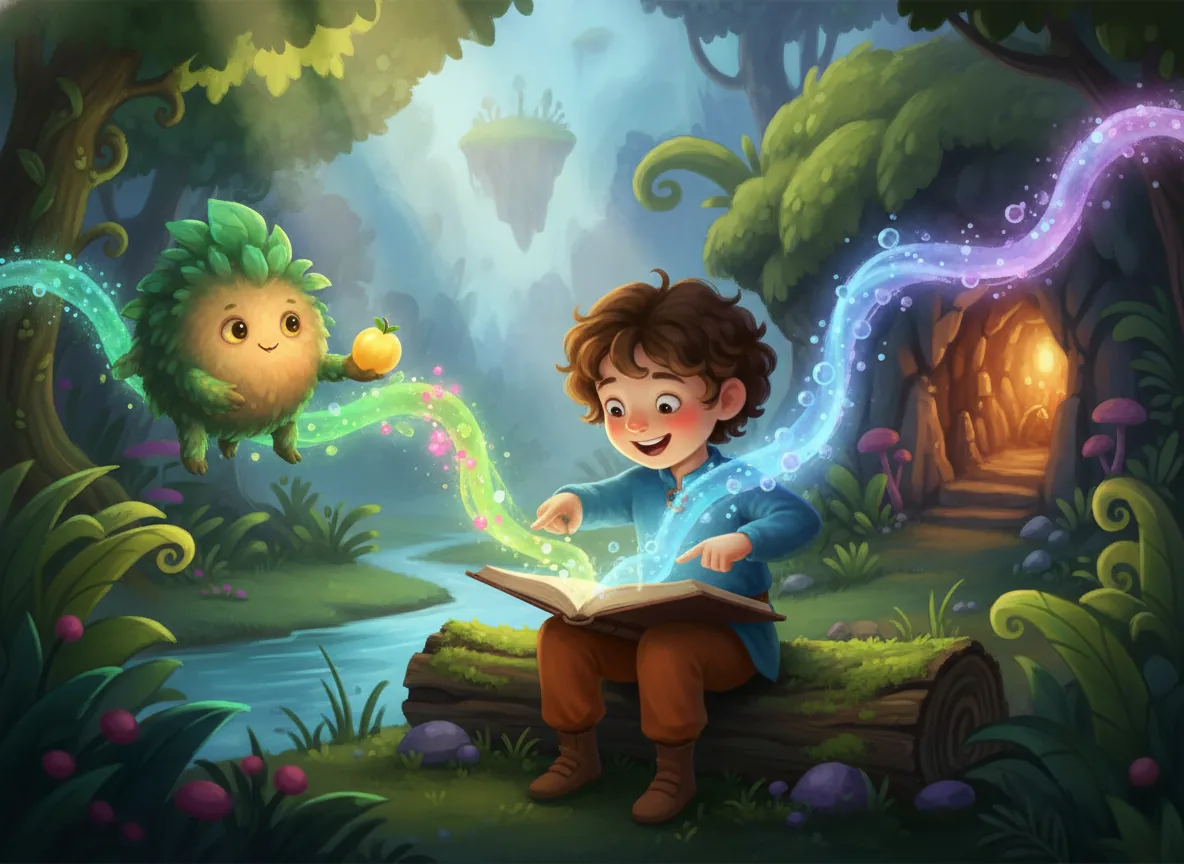
The hallmark of an effective interactive story, often adopting a choose-your-own-adventure format, lies in its power to captivate a child's attention and demand sustained focus. When a child knows their decisions will directly impact the narrative, their engagement skyrockets. They are no longer just listeners; they are co-authors, critical players in the story's progression, and this sense of agency is incredibly motivating for continuous, focused listening.
Consider platforms like Twistale, which masterfully crafts these dynamic narratives. Every choice presented requires the child to recall what has happened, understand the current situation, and evaluate potential outcomes. This multi-layered cognitive process inherently strengthens their ability to concentrate and hold information in their short-term memory. They must actively listen to the choices given, process their implications, and then make a decision.
For instance, if the adventurous Siso the tiger is faced with two paths in a jungle, the child must listen carefully to the descriptions of each option. What are the potential dangers? Missing these details could lead Siso into trouble, which naturally encourages the child to listen more attentively next time. This direct link between listening and outcome teaches children the tangible value of focus.
Moreover, the immediate feedback loop inherent in a choose-your-own-adventure story is a potent tool for sustained attention. If a choice leads to an unexpected situation, children often want to go back and re-evaluate, prompting them to listen even more closely. This iterative process of listening, choosing, observing consequences, and re-listening is a powerful way to train the brain for sustained focus, making learning to listen an exciting quest.
From Storytime to Real-Life: Following Directions with Confidence
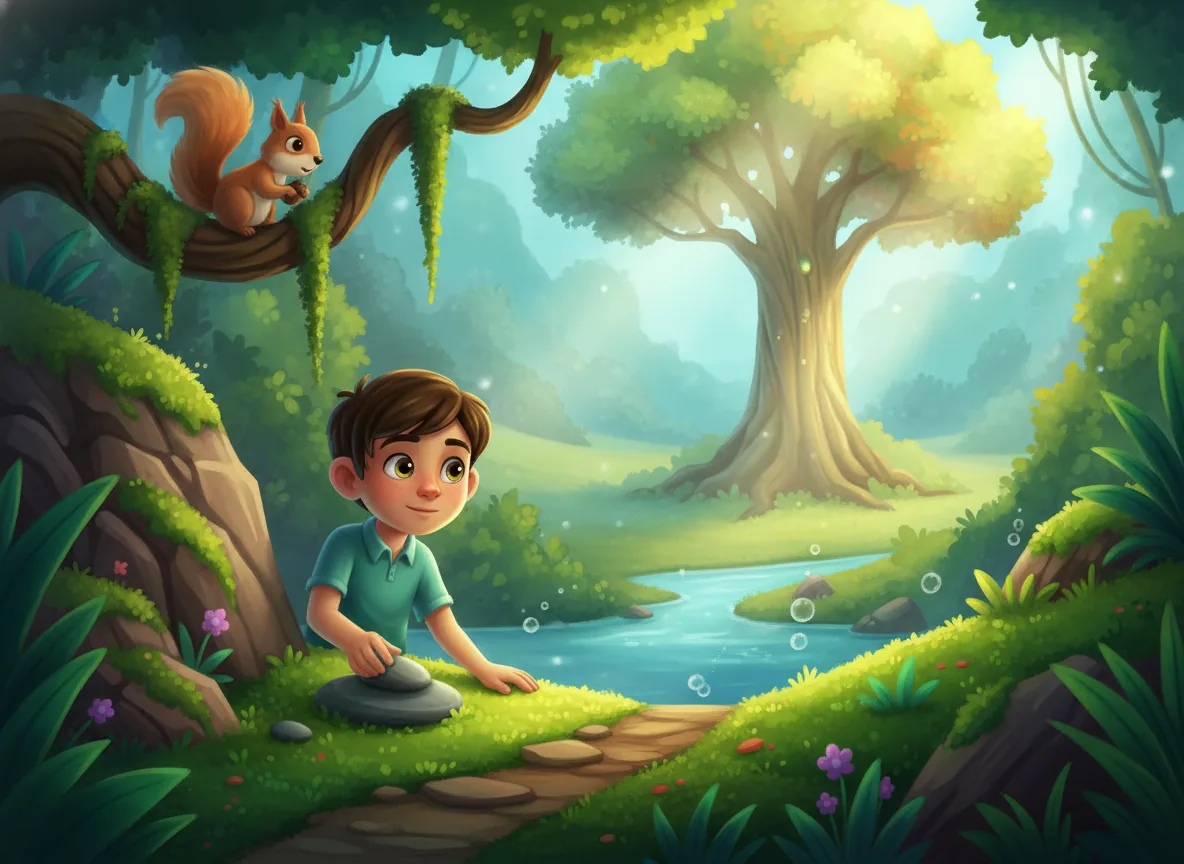
The true magic of interactive storytelling extends far beyond fantasy; it directly translates into tangible improvements in a child’s ability to follow directions in their everyday life. Within a choose-your-own-adventure narrative, children are constantly presented with instructions, options, and multi-step tasks they must process and execute. For example, "To help Siso the tiger, first collect three pebbles, then find the mossy rock, and finally, point him towards the tallest tree." This sequence mimics real-world instructions.
By regularly engaging in stories that require them to hold multiple pieces of information and act upon them in a specific order, children naturally strengthen their working memory and sequential processing skills. These are the cognitive foundations required for tasks like following recipes, completing homework, or getting ready for school. Instead of merely being told what to do, these stories allow them to practice actively listening to and remembering a sequence of instructions in a low-stakes, highly engaging environment.
The ability to follow directions is not just about compliance; it's about understanding and executing. Interactive stories foster this by requiring children to not only hear the directions but to comprehend their meaning and the order in which they should be performed. If a child chooses an option that doesn't align with the story's logic, immediate narrative feedback helps them self-correct and refine their understanding of how to interpret and act upon directions effectively. This builds confidence and competence, reducing parental frustration.
Ultimately, by making the act of listening and following directions a fun, rewarding, and integral part of their playtime, interactive stories transform a potential struggle into a natural aptitude. They empower children to become more attentive, focused, and capable of navigating both fictional worlds and the intricate instructions of daily life with greater ease and self-assurance. This holistic development of kids listening skills is invaluable for their growth and success.
Empowering children to become better listeners doesn't have to be a battle. By integrating the vibrant world of interactive stories into their routine, parents can naturally foster crucial kids listening skills, enhance focus, and build the confidence to follow directions with ease. These dynamic narratives, from innovative platforms like Twistale to captivating characters like Siso the tiger, transform passive reception into active participation, turning learning into an exciting adventure. Embrace the magic of choice and watch as your child blossoms into a more attentive and capable individual.