
Nurture Curiosity: Inspire Young Kids to Explore Through Stories
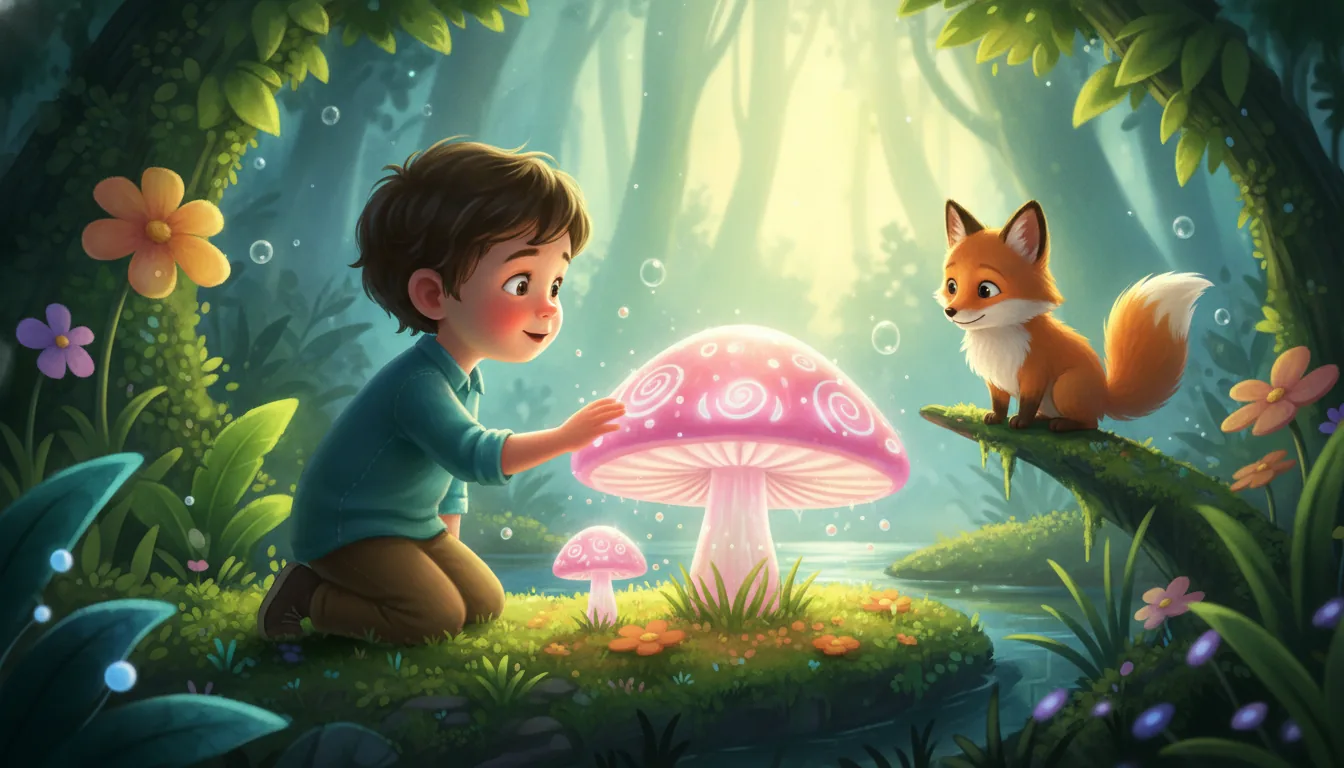
From the moment they open their eyes, young children are natural explorers. Every touch, sound, and new face sparks a flame of wonder, driving them to poke, prod, question, and discover. As parents of toddlers and preschoolers (ages 2-7), we witness this innate inquisitiveness daily – it's the foundation of all learning. This boundless energy and desire to understand the world around them is precious, and nurturing it is one of the most powerful gifts we can give our children, helping them to develop into confident, adaptable, and lifelong learners.
While open-ended play and real-world exploration are crucial, there's another powerful, often underestimated, tool at our disposal: interactive storytelling. Far beyond passive entertainment, stories that invite participation can actively foster curiosity in kids, honing their problem-solving skills, expanding their empathy, and igniting an adventurous spirit that transcends the page. Imagine a world where every twist and turn in a narrative is a choice, and every choice builds a stronger, more imaginative mind. This approach transforms story time into an exciting journey of discovery, preparing young minds for the complexities of the world with enthusiasm and resilience.
The Power of Play and Exploration in Early Childhood
Curiosity is not just a cute trait; it's a fundamental drive essential for cognitive, social, and emotional development. When children are curious, they are actively engaged in their environment, asking questions, testing hypotheses, and seeking new information. This active engagement strengthens neural pathways, builds memory, and develops critical thinking skills. For toddlers and preschoolers, learning is synonymous with doing and experiencing. They don't just absorb facts; they construct their understanding of the world through direct interaction.
Encouraging this natural inquisitiveness can be woven into everyday life. Simple activities become powerful learning opportunities:
- Nature Walks: Point out interesting leaves, listen for bird calls, or collect pebbles. Ask questions like, "Why do you think this leaf is red?" or "What sound is that?"
- Kitchen Experiments: Let them help with simple cooking tasks, observing how ingredients change when mixed or heated. "What happens when we add the water to the flour?"
- Building and Construction: Provide open-ended materials like blocks, LEGOs, or even cardboard boxes. Allow them to design and build freely, solving structural challenges as they arise.
- Sensory Play: Offer opportunities to explore different textures, temperatures, and smells. A bin of rice and scoops, playdough, or water tables can keep them captivated and learning.
Parents play a vital role in creating an environment that sparks and sustains curiosity. This means more than just providing toys; it's about validating questions, allowing for mistakes, and showing genuine interest in their discoveries. When you respond to a "Why?" with genuine engagement rather than a dismissive answer, you're signaling that their questions are valued and that the world is a fascinating place worth exploring. This sustained encouragement helps to foster curiosity in kids, building a foundation for independent thought and discovery.
Storytelling as a Catalyst for Imagination and Problem-Solving
While general play is invaluable, storytelling offers a unique pathway to developing an adventurous spirit and problem-solving capabilities. Traditional stories certainly spark imagination, transporting children to new worlds and introducing them to diverse characters and concepts. However, interactive stories take this engagement a significant step further. They transform children from passive listeners into active participants, driving the narrative forward with their own decisions.
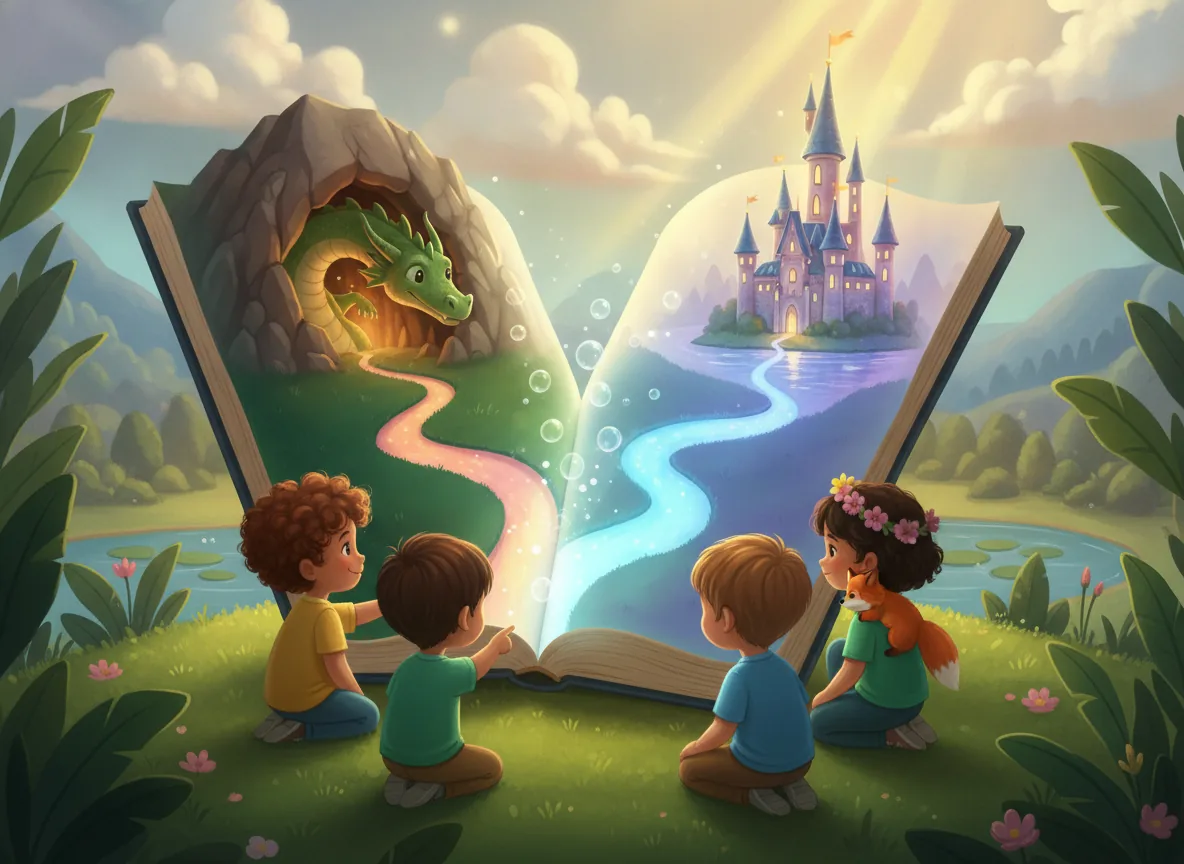
This "choose-your-own-adventure" format is particularly potent for young minds. Instead of simply following a predetermined plot, children are presented with choices at critical junctures: "Should Siso the tiger explore the dark cave or follow the mysterious footprints into the jungle?" Each decision alters the story's path, leading to different outcomes and new challenges. This type of engagement offers several profound benefits:
- Active Participation: Children are no longer just listeners; they are co-creators of the story. This deepens their engagement and personal investment.
- Decision-Making Skills: They learn to weigh options, anticipate consequences, and make choices, even if those choices lead to unexpected (and sometimes silly) results. This is a safe space to practice decision-making.
- Problem-Solving: When a character faces a dilemma, the child must think critically about how to resolve it, exploring different strategies to reach a desired outcome.
- Empathy and Perspective-Taking: By actively guiding characters like Siso through challenges, children develop a deeper understanding of emotions, motivations, and the impact of actions on others.
- Enhanced Curiosity: The "what if" factor is paramount. Children naturally wonder, "What would have happened if I chose the other path?" This fuels their desire to revisit stories and explore alternative narratives, profoundly helping to foster curiosity in kids.
Interactive stories provide a low-stakes environment for children to experiment with their ideas and see the immediate (and often playful) consequences of their choices. This builds confidence in their own thinking and encourages them to be bold in their explorations, both within the story and in the real world.
Practical Tips for Integrating Interactive Storytelling into Your Routine
Bringing interactive storytelling into your daily routine doesn't require a lot of fancy equipment; it simply requires a shift in approach. Here are some practical ways to harness this powerful tool and foster curiosity in kids:
1. Start Simple with "What Happens Next?": Begin with familiar stories. Pause at key moments and ask your child, "What do you think happens next?" or "What should [character] do now?" Encourage their ideas, no matter how wild. This gently introduces the concept of narrative control.
2. Create Your Own "Choose-Your-Own-Adventure" Stories: On car rides, during quiet time, or before bed, invent a simple story with your child. Start with a character and a setting, then offer two choices. "Once upon a time, there was a little bear named Barnaby who woke up feeling hungry. Should he go look for berries in the sunny meadow or try to catch fish in the sparkling river?" Let their choice guide the next part of the story, even if it gets silly!
3. Use Props and Puppets: Bring stories to life with simple props. A sock puppet can ask your child what it should do next, or toy animals can embark on a quest where your child dictates their path. This adds a tactile, engaging dimension to the interactive experience.
4. Explore Interactive Story Apps and Platforms: Modern technology offers fantastic resources for interactive storytelling. Platforms like Twistale provide digitally-enhanced choose-your-own-adventure experiences, often featuring engaging characters and rich illustrations. These apps can offer a structured way for children to make choices, see outcomes, and even re-play stories to explore different paths. Just remember to engage with them, asking questions about their choices rather than letting them navigate silently.
5. Embrace the Unexpected: Don't be afraid if the story takes a weird or illogical turn based on your child's choices. The goal isn't literary perfection; it's engagement, creativity, and the development of decision-making skills. Laughter and shared silliness are part of the adventure!
Consistency is key. Making interactive storytelling a regular part of your routine—whether it's a few minutes each day or a dedicated session a few times a week—will reinforce its benefits. It's a shared journey of imagination that strengthens your bond while subtly teaching invaluable life skills.

Nurturing your child's natural curiosity and adventurous spirit is an ongoing journey, one filled with wonder, discovery, and countless "why" questions. By embracing interactive storytelling, you're not just reading a book; you're equipping them with the tools to think critically, solve problems creatively, and approach the world with an insatiable desire to learn and explore. These early experiences lay the groundwork for a lifetime of intellectual curiosity and an adventurous heart, ensuring they don't just consume information but actively seek it out, shaping their own unique narratives in the world.