
Help Kids Navigate Friendships: Social Skills Through Stories
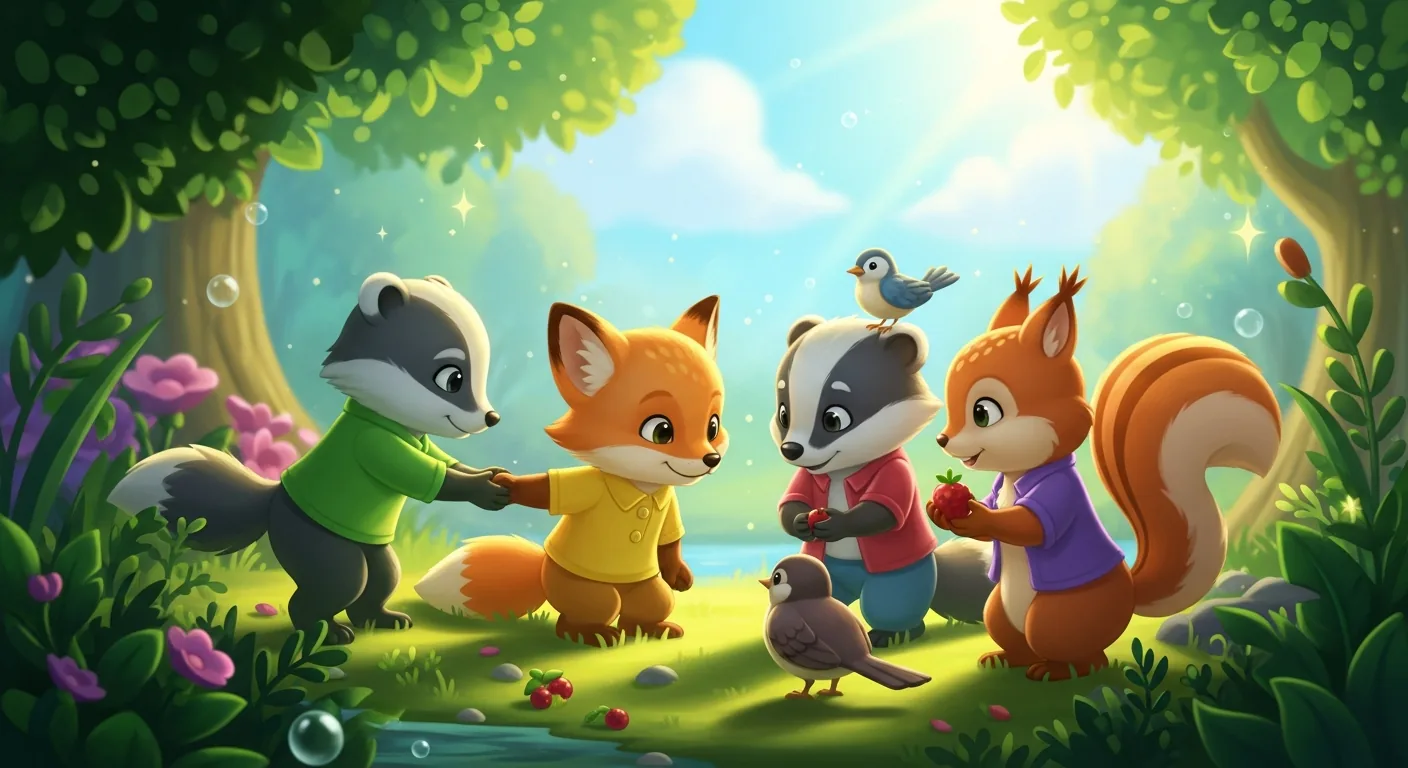
Few things are as foundational to a child's happiness and development as their friendships. From the first tentative interactions in preschool to the complex social dynamics of school age, learning to connect with peers is a vital part of growing up. Yet, for many parents, navigating the intricate world of childhood friendships can feel like a minefield. How do we equip our children with the social intelligence to form meaningful bonds, resolve conflicts peacefully, and bounce back from inevitable upsets? The answer often lies in fostering robust social-emotional learning (SEL) skills early on.
Understanding and managing emotions, setting and achieving positive goals, feeling and showing empathy for others, establishing and maintaining supportive relationships, and making responsible decisions are the cornerstones of strong social skills for kids. While real-life experiences are crucial, children also benefit immensely from safe, structured environments where they can practice these skills without the pressure of real-world consequences. This is where the power of interactive stories, particularly the choose-your-own-adventure format, emerges as an invaluable tool for parents and educators alike, transforming passive reading into an active, empowering learning experience.
The Building Blocks of Friendship: Why Social Skills Matter
Friendships are more than just playmates; they are critical arenas for learning about oneself and others. Strong social skills are not innate; they are learned behaviors that empower children to thrive both inside and outside the classroom. At their core, these skills involve a range of abilities:
- Empathy and Perspective-Taking: The ability to understand and share the feelings of another.
- Communication: Expressing thoughts and feelings clearly, and actively listening to others.
- Conflict Resolution: Navigating disagreements fairly and seeking win-win solutions.
- Sharing and Cooperation: Working together and understanding the value of generosity.
- Boundary Setting: Knowing when and how to say no, and respecting others' boundaries.
- Resilience: Bouncing back from rejection, disagreements, or feeling left out.
Without these essential tools, children can struggle significantly. Common friendship problems kids face include feeling excluded, experiencing arguments that escalate, dealing with jealousy, or simply finding it difficult to initiate new friendships. These challenges can lead to frustration, anxiety, and a sense of isolation. When children lack the social skills to navigate these complexities, it can impact their self-esteem, academic performance, and overall mental well-being. Therefore, providing opportunities for children to learn and practice these skills is not just about making friends; it's about building a foundation for a happy, successful life.
Beyond Passive Reading: How Interactive Stories Teach Social Skills
While traditional stories offer valuable lessons through narratives and character development, interactive choose-your-own-adventure books take learning to a new level. Instead of merely observing a character's journey, children become active participants, making decisions that directly influence the story's progression and outcome. This immersive format offers unique advantages for cultivating social skills for kids:
-
Decision-Making and Consequences: Every choice a child makes in an interactive story has a direct consequence. Should Siso the tiger share his special snack with a new friend, even if it means having less for himself? What happens if he insists on always getting his way? Children immediately see the impact of their decisions, learning cause and effect in a safe, low-stakes environment. This direct feedback loop is crucial for understanding how their actions affect others and themselves.
-
Empathy and Perspective-Taking: By stepping into the shoes of characters like Siso the tiger, children are prompted to consider how their choices might make other characters feel. A story might present a situation where a character is feeling sad or left out. The child must decide how Siso should respond – offer comfort, ignore them, or involve another friend? This process actively builds empathy, helping children understand different emotional states and perspectives.
-
Problem-Solving in Action: Interactive narratives are often structured around dilemmas that mirror real-life friendship problems kids encounter. A character might be facing a playground bully, trying to mediate a disagreement between two friends, or struggling with honesty. Children are challenged to think critically, weigh options, and formulate solutions, developing their problem-solving muscle in a context-rich setting.
-
Safe Practice Space: One of the greatest benefits is the ability to experiment without real-world risk. A child can choose an action that leads to an undesirable outcome, learn from it, and then revisit the story to try a different approach. This iterative process allows for trial and error, building confidence and refining their understanding of social dynamics before they apply these lessons in their own friendships.
Platforms like Twistale, which specialize in engaging choose-your-own-adventure stories, exemplify this approach. Their narratives are crafted not just for entertainment but to embed rich social-emotional learning opportunities, making the development of social skills for kids an exciting journey of discovery.
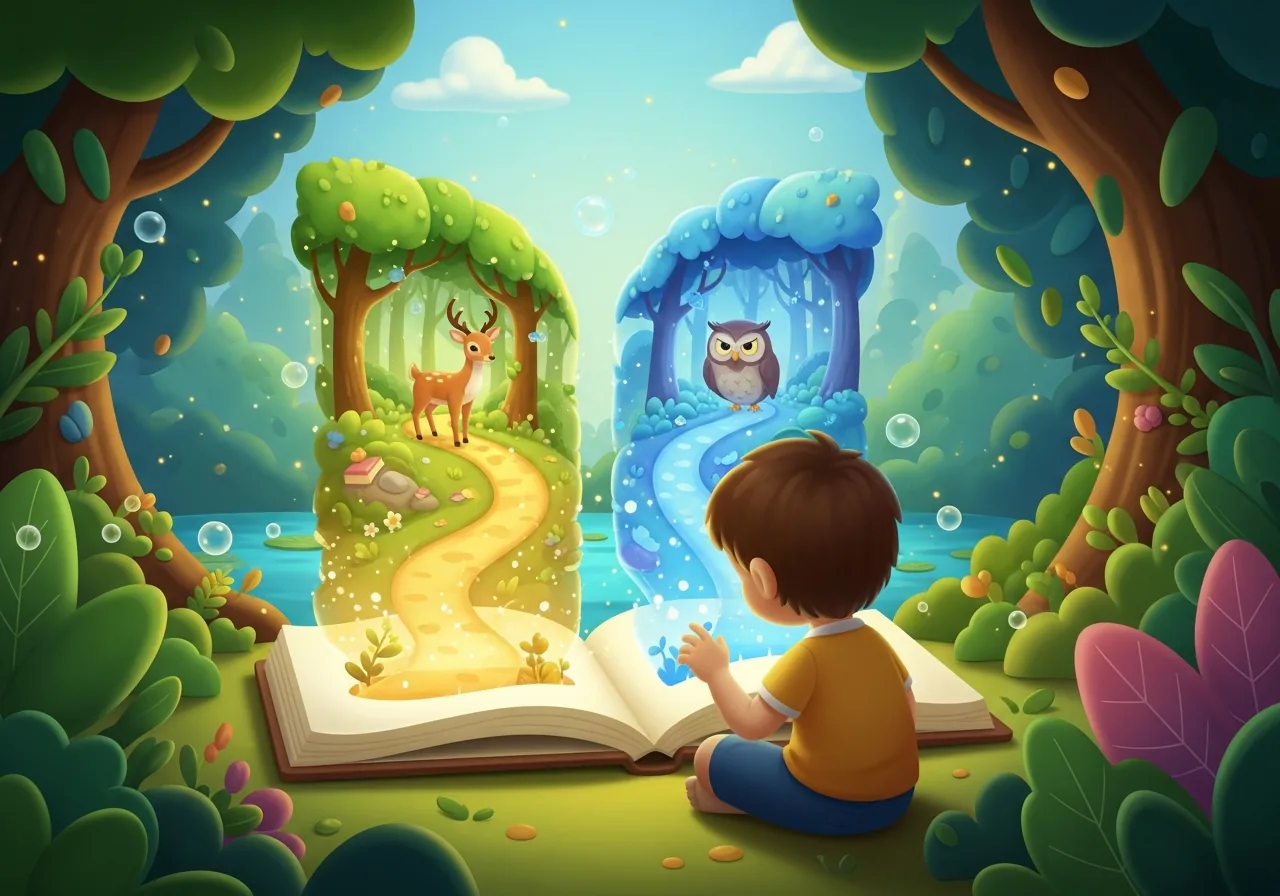
Practical Application: Turning Story Lessons into Real-Life Confidence
The magic of interactive stories extends beyond the pages; their true power lies in how they translate into real-world confidence and improved social interactions. Parents play a crucial role in bridging this gap, helping children internalize the lessons learned and apply them effectively.
-
Discussion and Debriefing: After reading an interactive story, engage your child in a conversation about their choices. Ask questions like: "Why did you choose that path?" "How do you think [character's name] felt when Siso did that?" "What would happen if you chose differently?" This reflection solidifies understanding and encourages critical thinking about social situations.
-
Role-Playing and Scenario Practice: Use challenging situations from the story as springboards for role-playing. If Siso the tiger had to deal with a friend who broke his toy, practice how your child might react if a similar situation occurred in real life. This active practice helps children internalize appropriate responses and feel more prepared.
-
Connecting to Real-Life Experiences: Help your child recognize parallels between the story and their own life. "Remember when Siso felt left out? Have you ever felt that way? What did you do?" This helps them see the practical relevance of the story's lessons in navigating their own friendship problems kids might encounter.
-
Modeling Positive Behavior: Children learn by example. Demonstrate strong social skills in your own interactions. Show empathy, apologize when necessary, and resolve conflicts respectfully. Your actions reinforce the lessons from the stories.
-
Encouraging Empathy and Communication: Actively encourage your child to articulate their feelings and consider the feelings of others in daily interactions. Ask them, "How do you think your friend felt when you said that?" or "What could you say to your friend to make them feel better?"
By integrating interactive stories into your family's routine, you're not just offering entertainment; you're providing a powerful curriculum for developing essential social skills for kids. The repeated practice of decision-making, perspective-taking, and problem-solving cultivates a deeper understanding of social dynamics, leading to increased self-confidence, greater resilience, and the ability to build and maintain healthy, fulfilling friendships throughout their lives.
In a world where social connections are more vital than ever, equipping our children with robust social skills is one of the greatest gifts we can give them. Interactive choose-your-own-adventure stories offer a uniquely engaging and effective pathway to achieving this. By allowing children to explore social dilemmas, practice empathy, and navigate the nuances of friendship in a safe, imaginative space, we empower them to confidently face the ups and downs of their own social lives, fostering a generation of kind, resilient, and connected individuals.