Help Kids Create Stories: Inspire Young Authors
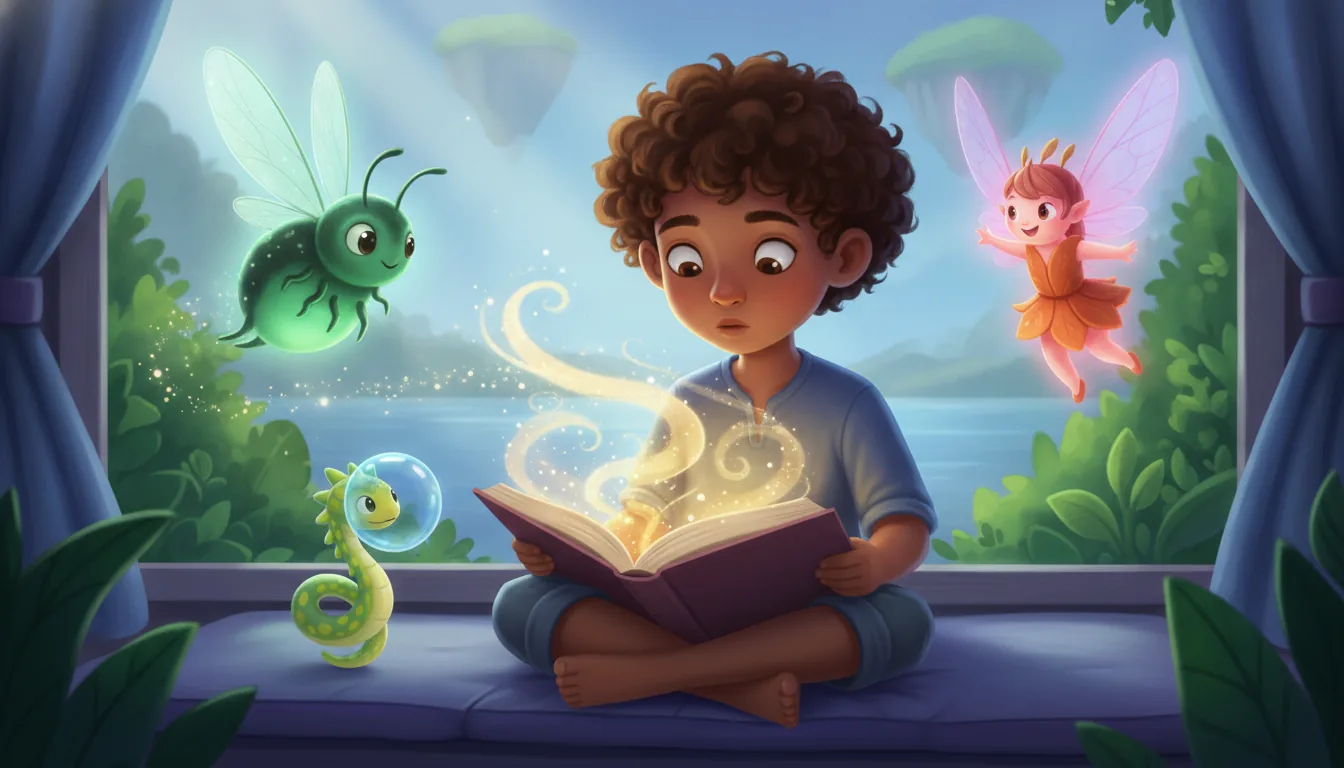
Every parent knows the magic of storytime – the hushed anticipation, the wide eyes following an adventure, the shared laughter, or the comfort of a familiar tale. But what if your child could move beyond simply listening or reading? What if they could become the architect of their own fantastical worlds, the creator of brave heroes and cunning villains, the master storyteller guiding an audience through unexpected twists and turns? The journey from a passive reader to an active, imaginative storyteller is one of the most enriching experiences a child can undertake, fostering not just literacy but critical thinking, empathy, and boundless creativity.
Nurturing a child's imagination and guiding them towards kids creative writing is a priceless gift that extends far beyond the pages of a book. It's about empowering them to articulate their inner worlds, to solve problems creatively, and to develop a unique voice. This process might seem daunting, especially for young children, but with the right encouragement, tools, and parental guidance, you can spark their inner author. Let's explore practical, engaging ways to inspire your young storyteller.
Igniting the Spark: Simple Ways to Encourage Imagination
The foundation of any great story is a vivid imagination. Before children can write, they need to envision possibilities. Here are simple, everyday strategies to cultivate this crucial skill:
- "What If?" Scenarios: Engage your child in imaginative play and conversation. Ask questions like, "What if our pet could talk?" or "What if everything was made of jelly?" These open-ended questions encourage divergent thinking and help them construct mental narratives.
- Observation Games: Sharpen their observational skills. Point out interesting details when you're out. "Who do you think lives in that old house? What stories could those windows tell?" This helps them notice the small details that bring stories to life.
- Story Prompts: Provide simple prompts like a picture of a mysterious key or a textual starter like, "One stormy night, a tiny light flickered in the woods..." Story cubes (dice with pictures) can also generate random elements for a narrative.
- Role-Playing and Pretend Play: Encourage games where children take on different roles. Playing "shop" or inventing new worlds allows them to embody characters and act out narratives, practicing dialogue and plot development organically.
- Read Aloud, Act Aloud: When you read together, use different voices for characters and make sound effects. This demonstrates how stories can be performed and interpreted, teaching about characterization and emotional expression, fundamental elements of kids creative writing.
- Embrace Experimentation: Provide art supplies, building blocks, or old clothes for dress-up. Allow them the freedom to experiment without judgment. The goal is exploration and joy.
By fostering these imaginative habits, you're building the cognitive muscles essential for them to excel in kids creative writing and problem-solving.
From Reader to Writer: Guiding Their Storytelling Journey
Once their imagination is brimming with ideas, help children translate those thoughts into coherent stories. For many young authors, the transition starts with oral storytelling and interactive experiences that bridge the gap between consuming stories and creating them.
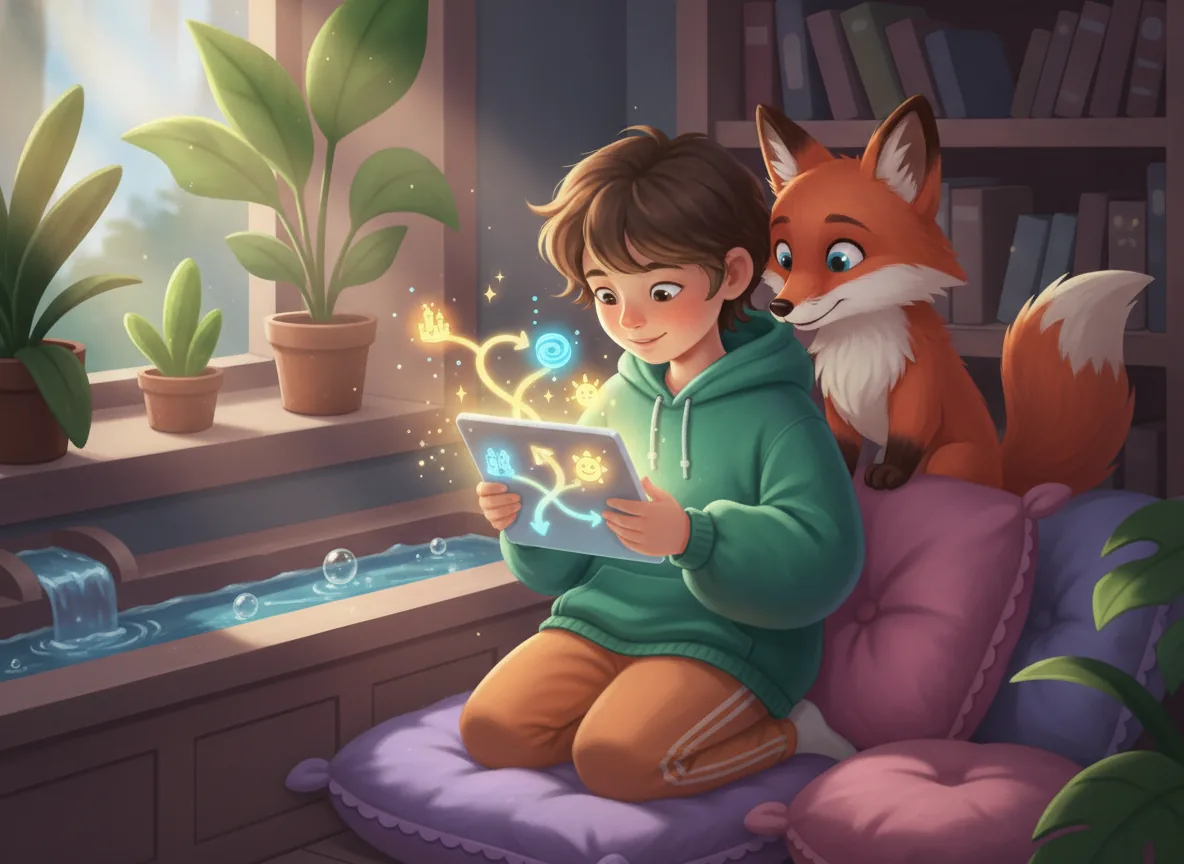
One powerful tool in this journey is the interactive book, particularly those in the choose-your-own-adventure format. These books transform children from passive recipients into active decision-makers, directly influencing the narrative's direction and outcome. For example, platforms like Twistale offer engaging digital stories where children make choices that steer the plot, encounter new characters, and explore various possibilities. This format inherently teaches fundamental storytelling concepts: cause and effect, plot progression, character motivation, and the impact of choices. They experience firsthand how different decisions lead to different consequences, a crucial lesson in crafting a compelling narrative.
Consider a scenario where a child is reading an interactive story about a character like Siso the tiger. Instead of just reading Siso's adventure, the child might be asked, "Siso encounters a fork in the road. Does he go left towards the whispering forest or right towards the sparkling river?" Their choice determines the next part of Siso's journey, immediately immersing them in the role of a co-author. This hands-on experience demystifies the storytelling process, breaking it down into manageable decisions and showcasing the power of their own input.
Encourage them to start by telling stories orally. These can be simple narratives about their day or an imaginary adventure. Ask guiding questions: "Who is your main character? Where are they? What problem do they face? How do they solve it?" For younger children, drawing can serve as a powerful pre-writing tool. They can draw a sequence of pictures, then "read" their story to you. This visual storytelling develops sequencing skills and helps them organize their thoughts. By gradually introducing story elements – characters, setting, plot, conflict, and resolution – you provide a framework without stifling their creativity. The goal is to make storytelling feel like an exciting game, not a chore.
Making it Fun: Tools and Techniques for Young Authors
The key to successful kids creative writing is to keep it enjoyable and accessible. Different ages require different approaches, but the underlying principle remains: celebrate effort.
- Dictation for Early Writers: For preschoolers and early elementary students, act as their scribe. As they tell their story aloud, write it down exactly as they say it. Read it back to them; this validates their ideas and shows that their thoughts can be captured in written form.
- Shared Writing: For children transitioning to independent writing, try shared writing. You and your child can take turns writing sentences or paragraphs, collaborating on a story. This models the writing process and provides a scaffold for their emerging skills.
- Story Starters Jar: Keep a jar filled with story starters, character ideas, settings, and plot twists. Children can pick a few elements at random to spark a new story, removing the pressure of coming up with an idea from scratch.
- "Writing Nook": Create a designated space that feels special for creative endeavors. Stock it with paper, colorful pens, and notebooks. This makes the act of writing feel important and inviting.
- Celebrate Every Story: Display their stories proudly. Read their work with genuine interest and offer specific praise (e.g., "I love how you described the dragon's scales!"). Focus on their imaginative ideas and effort, not just perfect grammar or spelling.
- Publishing Party: Once a story is complete, however short, bind the pages, create a cover, and host a "publishing party" where they can read their story aloud to family. This provides a tangible sense of accomplishment.
Remember, the goal isn't to create a best-selling author overnight, but to cultivate a love for language, stories, and self-expression. By providing a nurturing environment, practical tools, and endless encouragement, you're empowering your child to discover the joy and power of their own unique voice through kids creative writing.
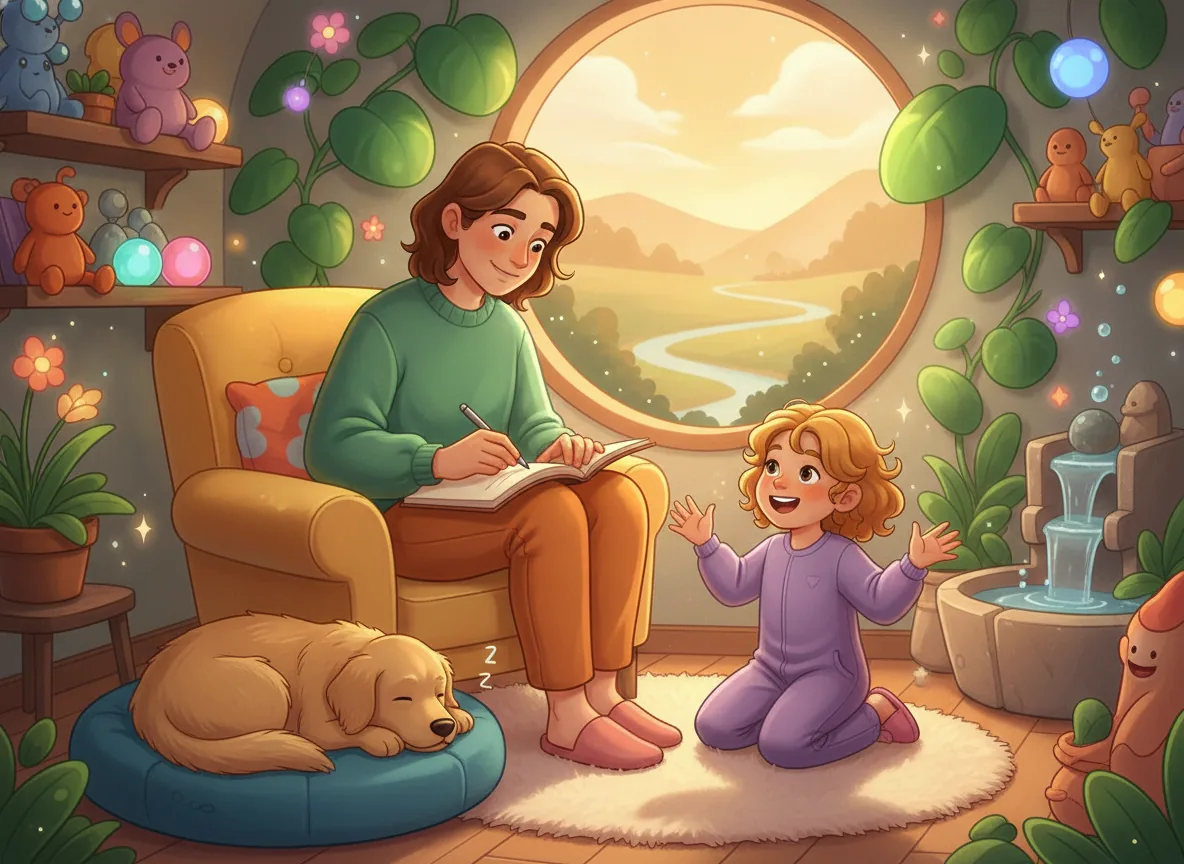
Guiding your child from a passive consumer of stories to an active, engaged storyteller is one of the most rewarding journeys you can embark on together. By igniting their imagination, offering interactive experiences, and providing fun, accessible tools for expression, you're not just fostering a love for kids creative writing. You're nurturing critical thinking, empathy, and a lifelong appreciation for the power of narrative. So, grab a pen, or simply a listening ear, and prepare to be amazed by the incredible stories waiting to unfold from your young author's mind.