
Foster Toddler Independence: Why Choices Matter

As parents of toddlers and preschoolers (ages 2-5), we often navigate a whirlwind of daily routines, unexpected meltdowns, and the constant push and pull of a child asserting their burgeoning will. Mornings can feel like a battleground over clothing, mealtimes a negotiation over vegetables, and bedtime an epic saga of "just one more story." It’s exhausting, and many parents yearn for smoother transitions, fewer tantrums, and deeper cooperation.
What if a simple yet powerful strategy could transform these challenging moments into opportunities for growth, build your child's confidence, and significantly ease daily friction? The answer lies in fostering toddler independence through age-appropriate choices. Empowering your child with choices lays the groundwork for crucial developmental milestones, enhancing problem-solving skills, boosting self-esteem, and ultimately leading to a more harmonious household. Let's explore how giving your young child the reins, even in small ways, can unlock a world of positive development.
The Power of Choice: Why It Matters for Little Ones
From the moment they discover their own two feet, toddlers are driven by an innate desire for autonomy. This natural urge to "do it myself" is a vital part of their development, signaling their growing understanding of themselves as individuals. When we offer choices, we validate their individuality and nurture their sense of control over their world. This feeling of control is incredibly important for young children often at the mercy of adult decisions.
Consider the impact of making choices on a child's brain. Each decision, no matter how small, engages cognitive processes. They learn to evaluate options, weigh consequences, and make a selection. This process is a fundamental building block for critical thinking and problem-solving skills. When a child chooses their outfit, they're expressing preference, making a decision, and taking ownership of their appearance. This sense of ownership translates into greater cooperation, as they've had a hand in the outcome.
Moreover, consistently allowing age-appropriate choices significantly boosts a child's confidence and self-esteem. When a child makes a decision successfully, they experience a sense of accomplishment. They learn their voice matters, their opinions are valued, and they are capable. This positive reinforcement encourages them to try new things and take on more responsibilities, further fueling their journey toward greater toddler independence. It's a virtuous cycle: choices lead to confidence, which leads to more willingness to choose. Even a simple choice, like "red shirt or blue shirt?", can be a profound lesson in self-efficacy for a 2-year-old.
Practical Strategies for Offering Age-Appropriate Choices
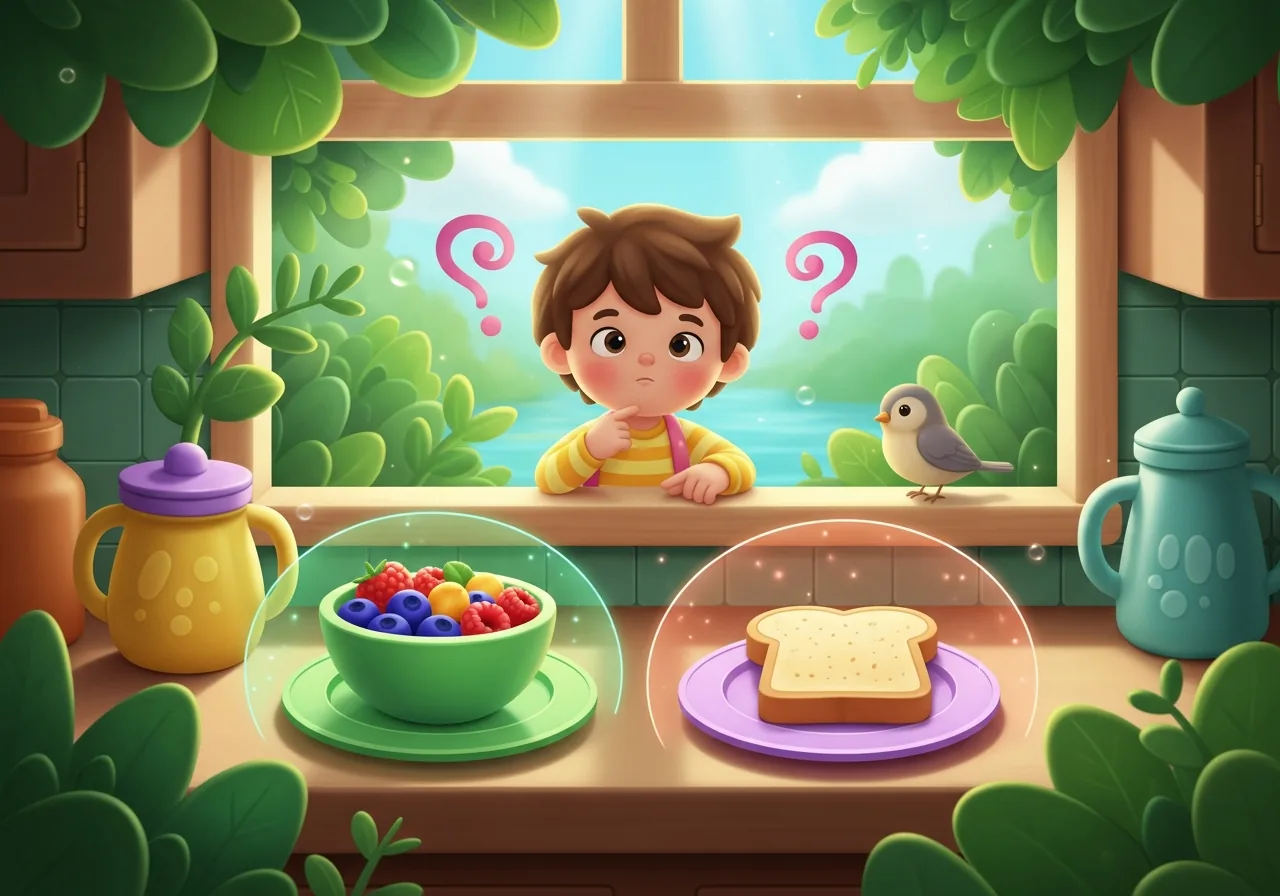
While the benefits of choice are clear, knowing how to offer choices effectively can be a challenge. The key is to keep options limited, age-appropriate, and framed positively. For toddlers and preschoolers, two or three options are usually plenty to avoid overwhelming them. More than that can lead to decision paralysis or frustration.
Here are some practical tips for integrating choices:
- Limit the Options: Instead of "What do you want for breakfast?", try "Oatmeal or toast?" For playtime, "Blocks or cars?"
- Offer Acceptable Choices Only: Ensure all options are acceptable to you. If you don't want ice cream for breakfast, don't offer it! Frame choices to guide them toward desired outcomes. For example, "Shoes on first, or coat?"
- Empower Within Boundaries: Choices don't mean a free-for-all. Non-negotiables (safety, health) are not choices. For example, "We are holding hands in the parking lot," not "Do you want to hold my hand?"
- Wait and Respect: Give your child time to decide. Once a choice is made, honor it (within limits). Even if you think they've made the "wrong" choice, let them experience the natural consequences (if safe). This builds trust and shows their choices have weight.
- Vary the Domains: Offer choices across different areas:
- Dressing: "Blue pants or grey pants?"
- Meals: "Cucumber slices or carrot sticks?"
- Playtime: "Read a book or build a tower?"
- Chores: "Help put toys away or wipe the table?"
- Bedtime: "One story or two?" "Snuggle with bear or blanket?"
By integrating these small decisions, you consistently reinforce their ability to make choices, fostering confidence and gently guiding them towards greater toddler independence. These are critical learning experiences that build a foundation for self-reliance.
Beyond Daily Routines: Cultivating Problem-Solving and Resilience
The impact of allowing choices extends beyond making daily routines smoother. When children regularly make decisions, they naturally develop essential problem-solving skills and a robust sense of resilience. Every choice presents a micro-problem: "Which option best suits my preference or goal?" This is a significant cognitive exercise for a young child.
Consider a child who chooses a light jacket on a chilly day. Instead of an immediate "I told you it would be cold!", an empowering approach might be, "It looks like it's a bit colder. Are you chilly? What could we do?" This prompts them to problem-solve—perhaps by putting hands in pockets or asking for a warmer coat next time. This teaches them to evaluate, adapt, and find solutions, rather than passively waiting for an adult to fix things.
An engaging way to foster these skills is through interactive storytelling, such as the choose-your-own-adventure format. These stories, where children decide the plot's direction, are fantastic tools for developing decision-making and understanding cause and effect in a fun, low-stakes environment. Platforms like Twistale offer interactive tales where your child might help characters like Siso the tiger decide whether to explore a mysterious cave or climb a tall tree. Each choice shows the immediate impact of their decisions. This not only makes reading engaging but also actively involves children in shaping the story, giving them a powerful sense of agency and fostering early toddler independence.

Conclusion
Empowering your toddler or preschooler with age-appropriate choices is a foundational strategy for nurturing confident, capable individuals. By embracing the power of choice, from daily routines to interactive stories, you actively cultivate problem-solving skills, boost self-esteem, and pave the way for lasting toddler independence. Start small, be consistent, and watch your child flourish. The journey to a more independent and cooperative child truly begins with a simple question: "Which would you like?"