
Easy Bilingual Reading: Daily Habits for Busy Families

Raising bilingual children is an incredible gift, opening doors to diverse cultures, enhanced cognitive skills, and deeper family connections. However, maintaining and nurturing these language skills, especially the minority language, often feels like a constant uphill battle for busy parents. You juggle work, school, extracurricular activities, and everyday chores, all while striving to create an environment rich in linguistic exposure. The desire is strong, but finding the time and consistent energy to foster strong bilingual reading habits can be daunting, leading to guilt or a sense of falling behind. Many parents struggle with how to seamlessly integrate consistent language practice into already packed schedules, wondering if they're doing enough.
The good news is that fostering strong bilingual reading habits doesn't require a complete overhaul of your family's routine or dedicating hours each day to formal lessons. Instead, it's about embedding language and literature naturally into the fabric of your daily life. This post is designed for you—the parent striving to give your child the best of both worlds without succumbing to burnout. We'll explore practical, actionable strategies to cultivate easy, enjoyable bilingual reading habits that not only support language development but also strengthen family bonds and create lasting memories, proving that consistent exposure is achievable for every busy household.
Weaving Language into Everyday Life: Beyond Dedicated Story Time
One of the most effective ways to build strong bilingual reading habits is to integrate language exposure throughout the day, rather than confining it to a single, dedicated story time. For busy families, this means identifying small pockets of time that can be transformed into meaningful language moments. Think creatively about your existing routines.
- Morning and Evening Rituals: Instead of rushing through bedtime or morning preparations, try reading a short story, a poem, or even a few pages from a bilingual book. Five to ten minutes each morning and evening can accumulate into significant language exposure over time. It establishes a consistent routine without feeling like a burden.
- On-the-Go Learning: Car rides, waiting rooms, or even public transport can become prime opportunities for bilingual reading. Keep a small stack of bilingual books or flashcards in your bag. Narrate what you see outside the window in both languages, pointing out words in a book. This unstructured, organic exposure reinforces vocabulary and demonstrates the practical utility of both languages.
- Chores and Playtime Narratives: Engage your child in describing their toys, their play activities, or even the steps involved in simple chores using both languages. For instance, when tidying up, you might say, "Let's put the blocks away. Vamos a guardar los bloques." While not strictly 'reading,' this verbal reinforcement sets the stage for stronger comprehension when they encounter these words in print.
- Leveraging Innovative Resources: Tools like Twistale offer an excellent way to integrate language learning seamlessly. Platforms that provide a variety of bilingual stories allow children to engage with narratives that are culturally relevant and captivating, making the process of building bilingual reading habits more enjoyable. The key is to make language a constant, yet effortless, presence in their world, building fluency brick by brick through regular, low-pressure interactions.
Remember, consistency trumps duration. Short, frequent bursts of language engagement are more effective than infrequent, long sessions. This approach to fostering bilingual reading habits reduces pressure on both parents and children, making language acquisition a natural part of family life rather than an added task.
Making Reading Interactive and Engaging
For children, especially young ones, passive listening or traditional reading can sometimes feel monotonous. To truly cultivate strong bilingual reading habits, it's crucial to make the experience interactive and fun. When children are actively engaged, they retain more, and their motivation to explore both languages skyrockets.
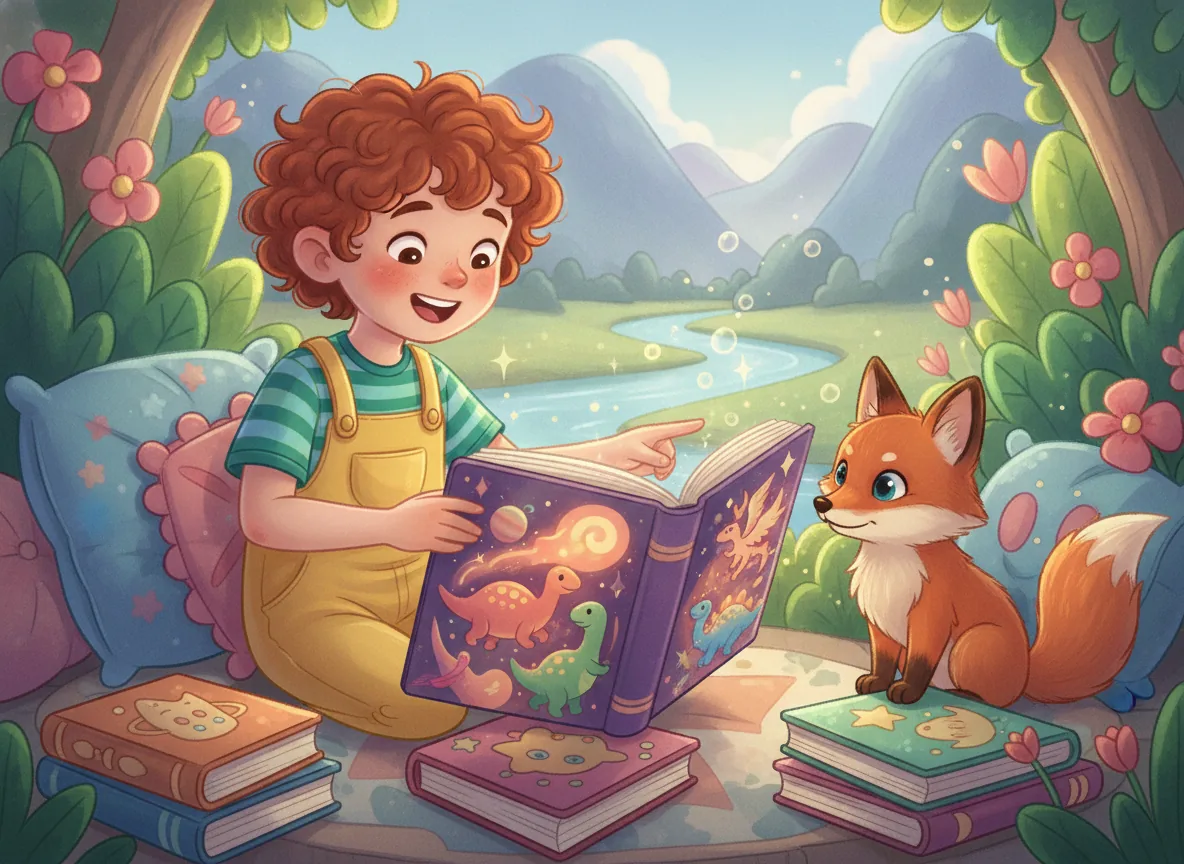
- Let Them Choose: Empower your child by letting them pick the books. Whether it's a story about dinosaurs, princesses, or outer space, their interest is a powerful motivator. When they feel a sense of ownership over the reading material, they're more likely to engage enthusiastically. If a book is in only one language, don't hesitate to translate key phrases or summarize parts in the other language as you go.
- Embrace the "Choose-Your-Own-Adventure" Format: Stories with branching narratives are incredibly effective for engagement. The choose-your-own-adventure format turns reading into a game, requiring active decision-making and curiosity about different outcomes. This interactive element makes children invested in the story, encouraging them to reread and explore different paths, thus maximizing language exposure in a playful way. It’s an ideal tool for reinforcing new vocabulary and comprehension in both languages.
- Bring Stories to Life: Use different voices for characters, mimic sounds, and encourage your child to join in. Ask open-ended questions: "What do you think Siso the tiger will do next?" or "How does the character feel?" Relating the story to their own experiences—"Remember when we saw a big dog just like that one?"—helps bridge the gap between fiction and reality, making the language more tangible and meaningful.
- Play Language Games: Beyond books, incorporate simple language games. "I Spy" in both languages, rhyming games, or even creating simple stories together using different words from their bilingual books. These activities not only build vocabulary but also foster a positive and playful association with both languages, making the development of bilingual reading habits a joyous journey rather than a chore.
By transforming reading from a passive activity into an interactive adventure, you'll find that your children are not only more receptive to language learning but also eagerly anticipate their next bilingual story time. This approach ensures that building bilingual reading habits is synonymous with fun and connection.
Building a Diverse Bilingual Library and Community
A rich environment is key to nurturing robust bilingual reading habits. This involves not only the resources you have at hand but also the community you build around your child's language journey. A diverse library and a supportive network can significantly boost your efforts.
- Curate a Rich Physical Library: Don't limit yourselves to just buying new books. Explore local libraries, often excellent sources for bilingual books or books in your target language. Look for second-hand bookstores, online marketplaces, or even swap books with other bilingual families. Focus on variety: picture books, early readers, non-fiction, poetry, and even graphic novels. The more diverse the material, the more engaged your child will be. Don't underestimate the power of culturally relevant stories that reflect your family's heritage, reinforcing identity alongside language.
- Embrace Digital Resources: In today's digital age, a wealth of resources is at your fingertips. Many apps, e-books, and audiobooks are specifically designed for bilingual children. These can be particularly useful for language exposure during commutes or when you need a moment of quiet. Platforms that offer stories with audio in both languages or interactive elements can complement your physical library beautifully, further cementing bilingual reading habits. Just remember to manage screen time thoughtfully.
- Connect with Other Bilingual Families: One of the most powerful tools for fostering bilingualism is a supportive community. Seek out other families raising bilingual children. Organize playdates where language learning is naturally encouraged, or even start a small bilingual book club. Hearing other children speak the minority language validates your child's experience and provides invaluable peer support. These connections create a sense of belonging and normalize the experience of being bilingual, making language practice feel less isolated.
- Model Reading Habits: Children learn by example. Let your child see you reading in both languages, if possible, or discuss books and articles you're reading. Show them that reading is a valued and enjoyable activity in your household. This unspoken message reinforces the importance of literacy in all languages and organically strengthens their own bilingual reading habits.
By strategically building a diverse library and actively participating in a bilingual community, you create a robust ecosystem that consistently supports your child's linguistic development. These external resources and social connections are invaluable in sustaining the long-term journey of raising a bilingual reader.
Fostering strong bilingual reading habits for your children doesn't have to be another source of stress in your busy life. By integrating small, consistent language moments into daily routines, making reading an interactive and joyful experience, and surrounding your child with diverse resources and a supportive community, you are laying a powerful foundation. Each small step—a few minutes of reading in the car, a silly voice for a character, or a shared book with a friend—adds up to create a rich linguistic tapestry. The gift of bilingualism is profound and lasting, offering your child unparalleled cognitive, cultural, and personal advantages. Embrace these practical strategies, and watch your children flourish into confident, curious bilingual readers, cherishing the words and worlds you've opened for them.