
Choose Your Own Path: Building Kids' Decision Skills (Ages 2-7)
As parents, we all dream of raising children who are confident, independent, and capable. One of the most critical life skills we can equip them with, even from a very young age, is the ability to make good decisions. From choosing what to wear to navigating playground dynamics, every choice contributes to their development. For many, however, knowing how to teach decision making to kids in an age-appropriate and engaging way can feel like a daunting challenge.
Imagine your child confidently assessing situations, weighing options, and thoughtfully choosing their next step, all while having fun. This is a tangible goal achievable through engaging methods like interactive stories. These dynamic narratives provide a safe and stimulating environment for young minds to practice critical thinking, understand consequences, and build the self-assurance needed for real-world choices. This post will explore how captivating adventures can empower your child, turning everyday dilemmas into exciting opportunities for growth.
Why Decision-Making Matters (Even for Toddlers!)
It might seem premature to discuss complex decision-making with a two-year-old, but the foundations for this vital skill are laid much earlier. Even simple choices, like "red cup or blue cup?" or "apple or banana?", are crucial steps. These minor decisions help children understand that their actions have consequences, that they have agency, and that their preferences matter. This early exposure to making choices fosters a sense of independence and self-efficacy, which are cornerstones of confidence.
For children aged 2-7, developing decision-making skills goes beyond simple choices. It's about building foundational cognitive abilities such as problem-solving, critical thinking, and understanding cause and effect. When a child decides which toy to play with or how to share a crayon, they are actively engaging their brain in evaluating options and predicting outcomes. This practice is essential for their emotional regulation too, as they learn to cope with the outcomes of their choices, whether positive or negative. Early mastery of these skills prepares them for more complex social and academic challenges, providing a significant advantage.
Understanding how to teach decision making to kids means recognizing that every opportunity to choose, even a small one, is a chance for growth. It helps them feel capable and trusted, fostering a positive self-image. Consistently allowing children to make age-appropriate decisions empowers them to take ownership of their actions and learn from their experiences, paving the way for greater resilience and adaptability.
The Magic of Choose-Your-Own-Adventure Stories
One of the most innovative and enjoyable ways to foster decision-making skills in young children is through choose-your-own-adventure stories. Unlike traditional narratives where children are passive listeners, these interactive tales thrust them into the role of the protagonist, inviting them to actively shape the story's direction. At various junctures, the child is presented with choices – "Should Siso the tiger go left to the dark cave or right to the sunny meadow?" – and their selection directly influences what happens next. This engaging format makes learning an exciting game, far removed from rote instruction.
The power of the choose-your-own-adventure format lies in its ability to create a safe, consequence-free environment for experimentation. Children can explore different paths and see the immediate (and often playful) results of their decisions without any real-world repercussions. If Siso goes into the dark cave and encounters a grumpy badger, the child quickly learns that path might lead to a less desirable outcome. If they choose the sunny meadow and find friendly butterflies, they experience the joy of a positive consequence. This iterative process of choosing, experiencing, and reflecting is incredibly effective for solidifying the understanding of cause and effect.
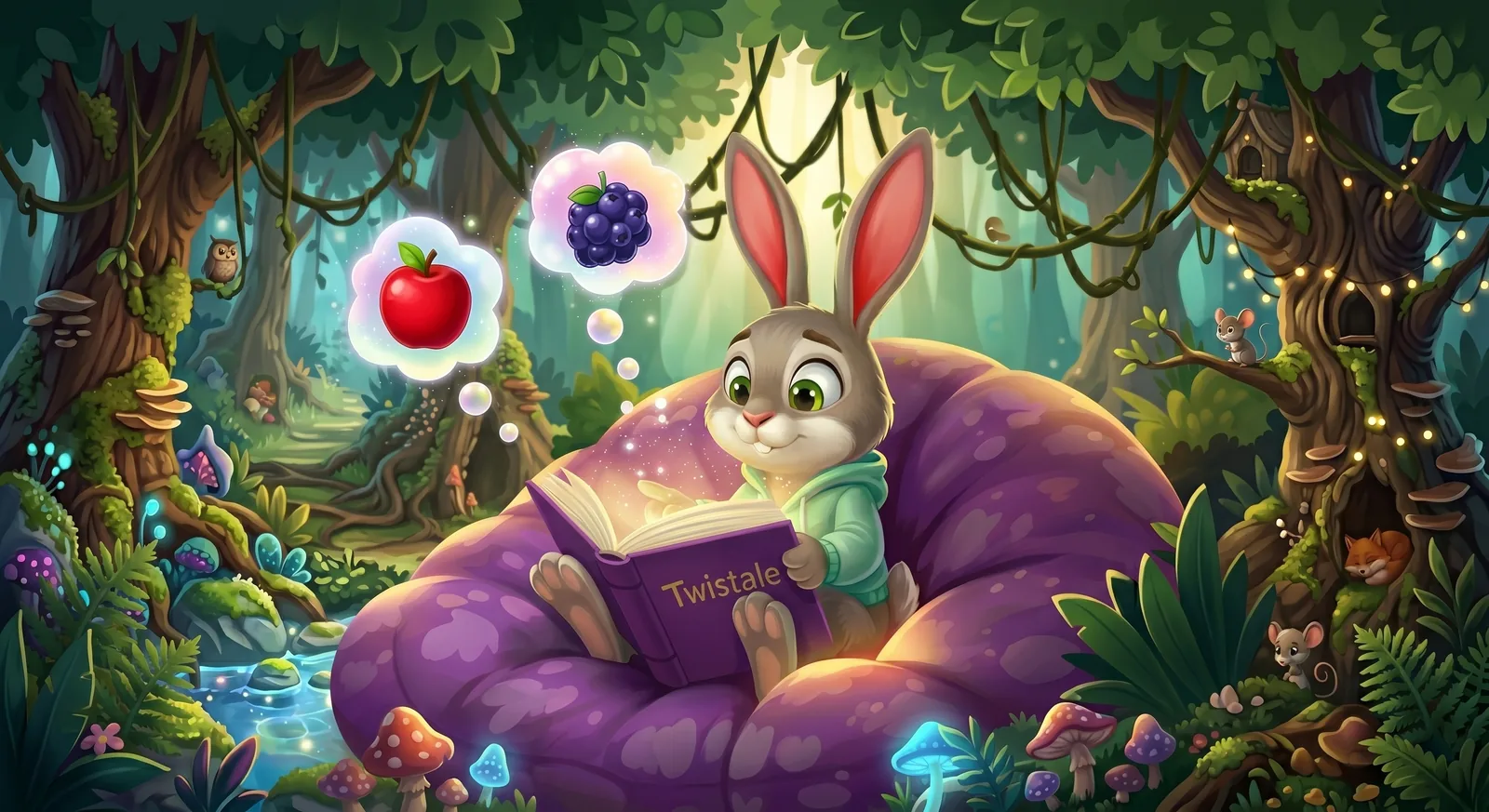
Platforms like Twistale exemplify this approach. They offer a rich library of interactive stories where characters like Siso the tiger embark on various adventures, allowing children to be the master strategists of their journey. Such tools are not just entertainment; they are sophisticated learning platforms designed to enhance cognitive development. By repeatedly engaging with these stories, children build a mental framework for evaluating options, predicting outcomes, and understanding that different choices lead to different results. This repetitive practice in a fun, low-stakes setting is ideal for how to teach decision making to kids aged 2-7, making the abstract concept of choice tangible and exciting.
Practical Ways to Nurture Your Child's Decision Skills
While interactive stories are a fantastic resource, integrating decision-making opportunities into everyday life is equally crucial. Here are several practical strategies parents can employ to further nurture their child's ability to make choices and build confidence:
- Offer Limited Choices: Start small. Instead of "What do you want to eat?", try "Would you like pasta or chicken for dinner?" Limiting options prevents overwhelm while still giving them agency. For clothes, offer two outfits; for playtime, suggest two activities.
- Encourage 'Why' Thinking: After a choice, gently ask "Why did you choose that?" or "What do you think will happen if...?" This prompts reflection and helps them articulate their reasoning, strengthening critical thinking.
- Allow for Natural Consequences (Safely): Within safe boundaries, let your child experience the natural outcomes of their decisions. If they insist on a light jacket on a chilly day, they'll learn the importance of appropriate clothing. Safety and health always come first.
- Involve Them in Family Decisions: Age-appropriately, include them in family planning. "Should we go to the park or the library this afternoon?" or "What should we name our new pet fish?" This shows their input is valued and teaches collaborative decision-making.
- Model Good Decision-Making: Talk aloud about your own choices. "Hmm, I need to decide between apples or oranges. Apples are healthier, but oranges are on sale. I'll go with oranges this time since we have plenty of apples." This verbalization makes the process transparent.
- Praise the Effort, Not Just the Outcome: Focus on the process. "That was a thoughtful choice, you considered all the options!" rather than just "Good job choosing correctly." This encourages them to keep trying, even if a decision doesn't turn out perfectly.
- Use Role-Playing: Create scenarios with dolls or action figures where characters have to make choices. "Oh no, Teddy is lost! What should he do?" This can be effective for social problem-solving.
By consistently applying these strategies alongside engaging tools like interactive stories from Twistale, you create a rich environment where children feel empowered to take charge of their small worlds. These practices build the robust framework for how to teach decision making to kids effectively, fostering independence and resilience that will serve them well throughout their lives.

Empowering children to make their own choices, even from a tender age, is one of the greatest gifts. It's about building fundamental skills like critical thinking, problem-solving, and self-confidence for their future success and well-being. By integrating interactive stories and daily practices into your parenting approach, you're not just guiding them, you're preparing them to confidently choose their own remarkable path. Start today, and watch your child flourish into a capable and independent decision-maker.