
Building Kids' Resilience: Learning from Choices & Setbacks
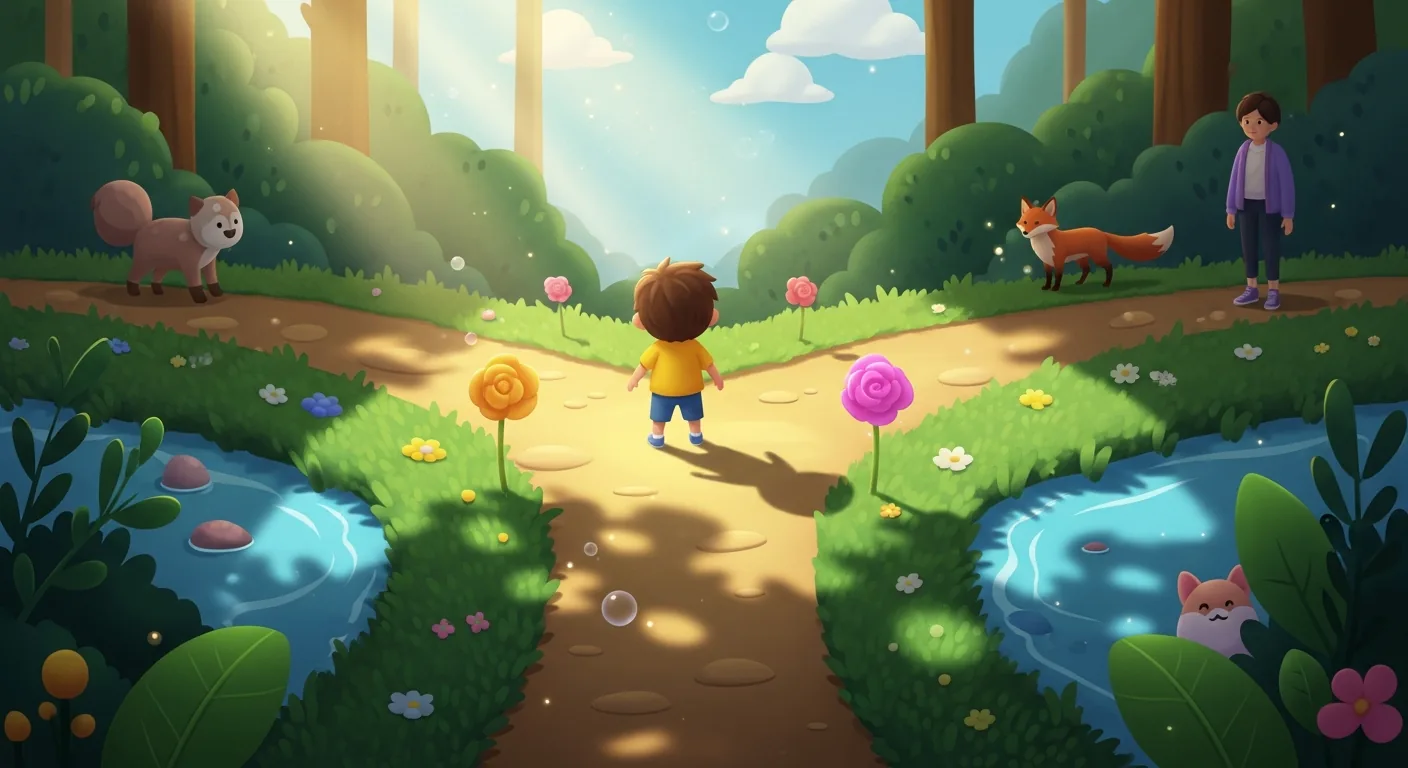
As parents, we instinctively want to shield our children from every bump, bruise, and disappointment. We dream of a path for them that is smooth, joyous, and free from struggle. Yet, life, by its very nature, is a series of choices, challenges, and inevitable setbacks. It is not by avoiding these experiences, but by learning to navigate them, that our children truly grow, develop their character, and build the foundational strength to thrive in an ever-changing world. This journey of growth, marked by the ability to bounce back and adapt, is what we call resilience – a superpower every child deserves to cultivate.
Cultivating resilience is inextricably linked to fostering emotional intelligence. When children learn to understand the connection between their choices and the subsequent consequences, or when they can reframe a setback as a valuable learning opportunity, they are not just developing coping mechanisms; they are building a robust emotional toolkit. This toolkit empowers them to face difficulties with courage, learn from their mistakes without being defined by them, and develop a healthy sense of self-efficacy. This post will explore practical strategies for parents to guide their children through this vital process, ultimately contributing to a lifelong journey of emotional mastery and strength by effectively building resilience in children.
The Foundation of Resilience: Embracing Choices and Consequences
The journey of building resilience in children often begins with the seemingly simple act of making choices. From deciding what to wear to choosing which game to play, every decision, big or small, carries a consequence. As parents, our role isn't just to dictate the 'right' choices, but to create a safe environment where children can practice decision-making and learn from the natural outcomes.
Consider the power of natural consequences versus imposed punishments. If a child chooses not to pack their lunch the night before, the natural consequence might be a grumbling stomach at school. While uncomfortable, this experience provides a powerful lesson far more impactful than a lecture. It teaches responsibility, foresight, and problem-solving. Of course, safety and age-appropriateness are key – we wouldn't let a young child choose to run into traffic to learn a lesson. But within reasonable bounds, allowing children to experience the direct results of their actions builds a fundamental understanding of cause and effect, which is crucial for emotional intelligence.
Encourage your child to weigh options aloud: "If you choose to finish your homework before dinner, you'll have more time for play afterward. If you wait, you might feel rushed or tired." This process isn't about lecturing; it's about guiding them to think critically about potential outcomes. When a less-than-ideal choice is made, instead of judgment, engage with questions: "What happened? What do you think led to that outcome? What might you do differently next time?" This dialogue fosters self-reflection and ownership, two cornerstones for building resilience in children.
Moreover, offering choices, even limited ones, instills a sense of autonomy. A child who feels they have some control over their environment and decisions is more likely to face future challenges with confidence rather than helplessness. It teaches them that they are active agents in their own lives, capable of influencing their circumstances and learning from their experiences. This sense of agency is paramount in developing a resilient mindset.
Navigating Setbacks: Turning Disappointment into Development
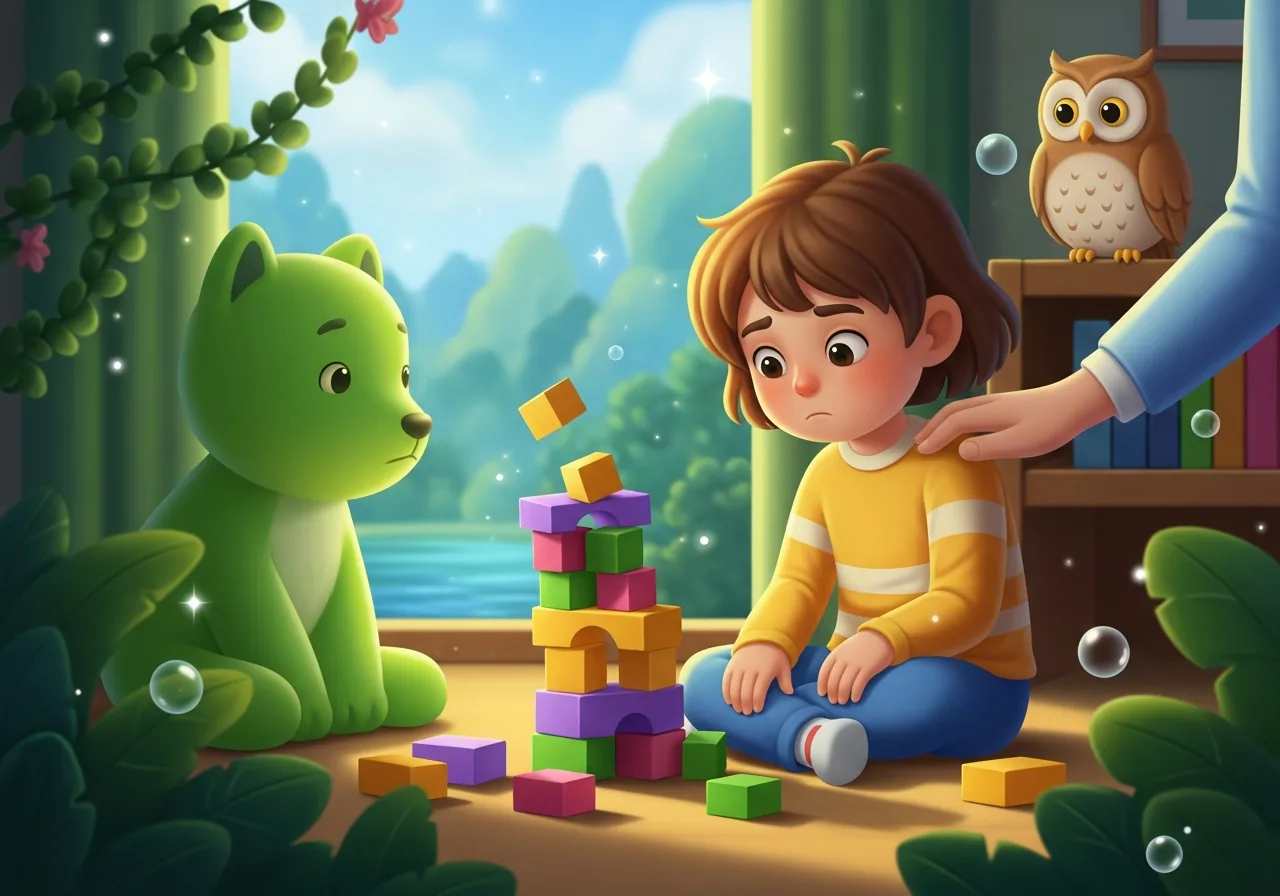
No matter how carefully we plan, setbacks are an inevitable part of life. From a failed test to not getting picked for a team, disappointment and frustration are powerful emotions that can either derail a child or, with the right guidance, become catalysts for growth. The art of building resilience in children lies in teaching them how to process these feelings and emerge stronger on the other side.
When a child experiences a setback, the first step is always validation. "I understand you're feeling really disappointed about not getting that role in the play. It's okay to feel sad." Acknowledging their emotions creates a safe space for them to process their feelings, rather than suppressing them. Once emotions are acknowledged, we can gently shift towards a growth mindset: "What can we learn from this?" or "What steps could we take differently next time?"
This reframing turns a perceived failure into a learning opportunity. It teaches children that their efforts, not just the outcome, are valuable. For instance, if a child struggles with a math problem, instead of saying "You tried your best," try "You worked really hard on that, and even though you didn't get it right this time, you learned a lot about how to approach it. What strategy might we try next?" This subtle shift reinforces perseverance and the belief that abilities can be developed through dedication and hard work.
Fictional narratives can be incredibly powerful tools for exploring choices and consequences in a low-stakes environment. Platforms like Twistale, with their innovative choose-your-own-adventure format, allow children to immerse themselves in stories where their decisions directly influence the plot. Imagine a scenario where a character like Siso the tiger faces a dilemma; the child gets to choose Siso's next action and immediately sees the different outcomes. This interactive storytelling helps children understand that every choice has a ripple effect, and that sometimes, what seems like a 'wrong' choice can lead to an unexpected, valuable lesson. By virtually experimenting with different paths, children practice critical thinking, empathy, and problem-solving, all vital components for building resilience in children when faced with real-world complexities.
Practical Tools for Parents: Fostering a Resilient Mindset
Beyond abstract concepts, parents can employ concrete strategies to actively foster resilience. These tools are designed to equip children with the inner resources they need to navigate life's inevitable ups and downs.
- Encourage Emotional Literacy: Help your child name their feelings. "Are you feeling frustrated, angry, or sad?" The ability to identify emotions is the first step towards managing them. Use feeling charts, storybooks, or even daily check-ins to discuss emotions.
- Model Resilience: Children learn best by observing. Share your own experiences with setbacks and how you coped. "I was really disappointed when my project didn't go as planned, but I learned X, Y, and Z, and now I have a better idea for next time." Seeing you navigate challenges teaches them it's normal and manageable.
- Teach Problem-Solving Steps: When faced with a challenge, guide your child through a simple problem-solving process:
- Identify the problem clearly.
- Brainstorm multiple solutions (even silly ones!).
- Evaluate the pros and cons of each solution.
- Choose a solution and try it.
- Reflect on the outcome.
- Promote Self-Compassion: Teach children to be kind to themselves, especially when they make mistakes or face difficulties. "It's okay to not be perfect. Everyone makes mistakes, and that's how we learn." Self-compassion protects against harsh self-criticism, which can hinder resilience.
- Celebrate Effort, Not Just Outcome: Shift the focus from achieving perfection to the effort put in. Praise their persistence, their courage to try something new, or their willingness to learn from a mistake, regardless of the end result. This reinforces the value of the journey and makes challenges less daunting.
- Foster Strong Connections: A strong support system of family, friends, and community provides a vital safety net. Encourage healthy relationships and teach your child the value of asking for help when needed. Knowing they are not alone in their struggles significantly enhances their capacity for resilience.
By consistently applying these tools, parents empower their children to develop a robust internal compass, guiding them through life's complex terrain. This intentional approach to building resilience in children is an investment in their long-term emotional well-being and success.
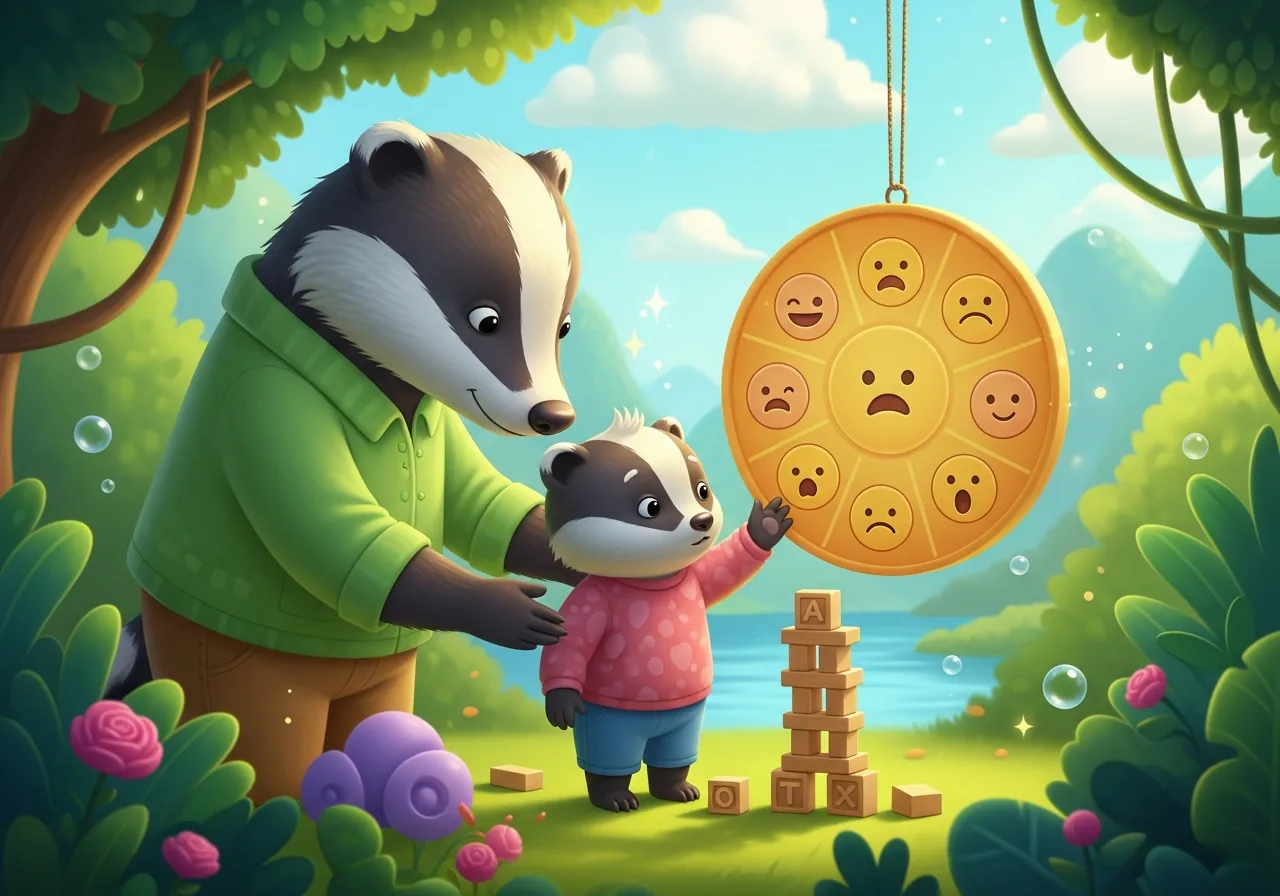
Ultimately, building resilience in children isn't about creating kids who never fall, but rather equipping them with the strength, wisdom, and emotional intelligence to get back up, dust themselves off, and continue moving forward. By framing choices and consequences as learning opportunities and guiding them through the inevitable setbacks of life, we are not just preparing them for the challenges of today, but empowering them to navigate an uncertain future with confidence, adaptability, and an unshakeable belief in their own capabilities. This profound gift of resilience will serve them far beyond childhood, shaping them into compassionate, capable, and emotionally intelligent adults.