
Beyond the Story: Books That Build Kids' Empathy (2-7)
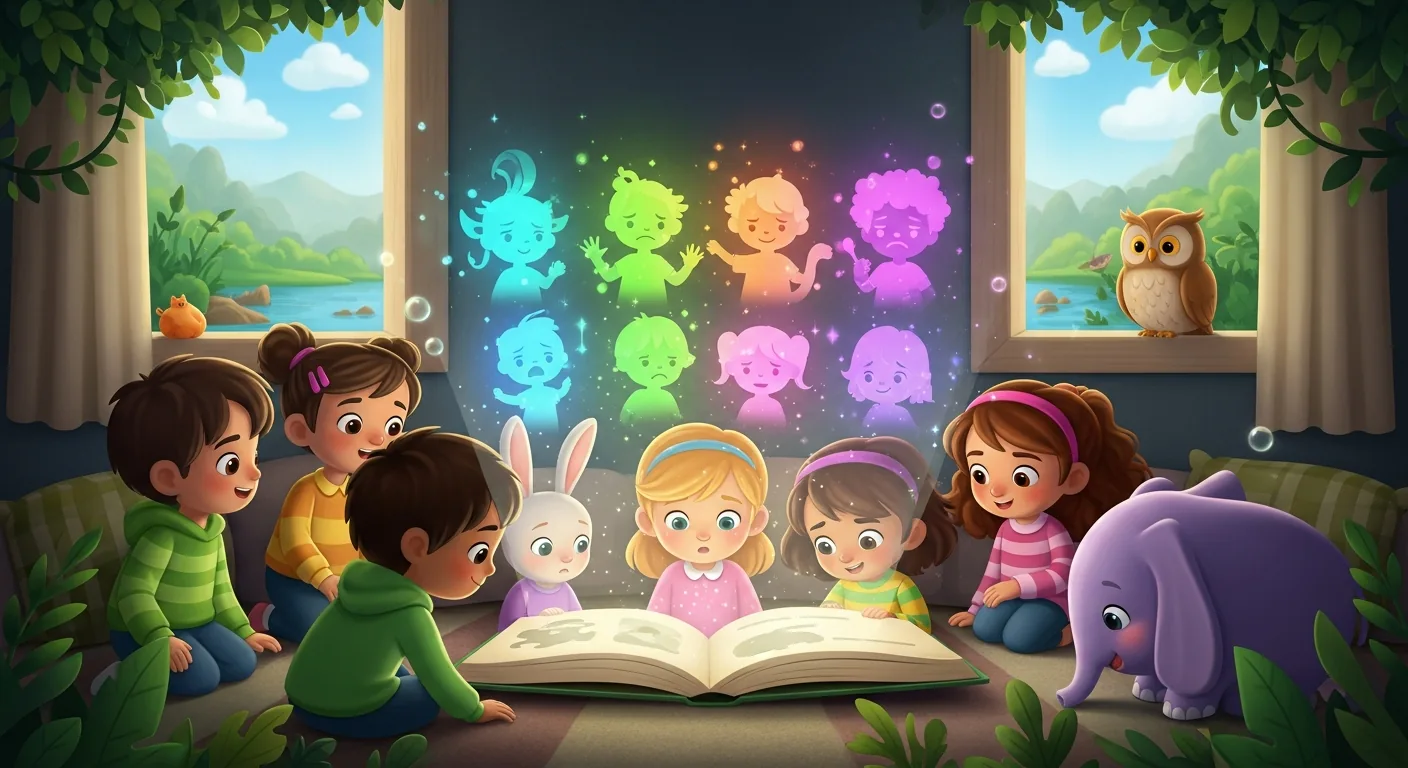
In the intricate journey of childhood, few skills are as crucial as emotional intelligence. It's the cornerstone for healthy relationships, resilience, and overall well-being. As parents, we strive to equip our children, especially those between the ages of 2 and 7, with the tools they need to navigate their own feelings and understand the emotions of others. While play and real-life interactions are invaluable, there's a powerful, often overlooked resource right at our fingertips: books. Specifically, a new generation of interactive stories offers an unparalleled opportunity to nurture empathy and emotional understanding in profound ways, going far beyond traditional passive reading.
Imagine a world where your child doesn't just read about a character's dilemma but actively participates in solving it, experiencing the consequences of different choices firsthand. This dynamic engagement transforms story time from a quiet listening exercise into an active learning adventure. These innovative books for emotional development kids are designed to immerse young minds in scenarios that build vital emotional intelligence, helping them grasp complex concepts like cause and effect, empathy, and responsible decision-making from a remarkably early age. By fostering these abilities, we're not just reading stories; we're building the foundation for a lifetime of emotional resilience and compassionate interaction.
The Power of Storytelling in Emotional Growth
Stories have always been a cornerstone of human development, serving as mirrors and windows into the human experience. For children aged 2 to 7, narratives are particularly potent. They offer a safe space to explore new ideas, encounter diverse perspectives, and process emotions they might not yet have the language to articulate. When a child identifies with a character who feels sad, happy, frustrated, or brave, they begin to connect those feelings to their own inner world, fostering self-awareness.
Traditional stories, from classic fairy tales to contemporary picture books, are excellent starting points for discussing emotions. They present scenarios where characters face challenges, make decisions, and experience the outcomes. This narrative structure helps children understand causality – if a character shares their toy, their friend feels happy; if they don't, their friend feels sad. These simple connections are fundamental to understanding the social fabric around them. Moreover, stories spark imagination, allowing children to step into another's shoes and imagine what it feels like to be in a particular situation, a critical precursor to empathy.
However, while passive reading undoubtedly enriches a child's emotional vocabulary and understanding, there's a limit to how deeply they can internalize these lessons without direct engagement. The beauty of a well-crafted story is its ability to draw children in, but the true power for emotional development lies in active participation, moving beyond simply observing to actively shaping the narrative. This is where the evolution of storytelling, particularly in the form of interactive books for emotional development kids, steps in to elevate the learning experience to a whole new level.
Beyond Passive Reading: The Magic of Interactive Stories
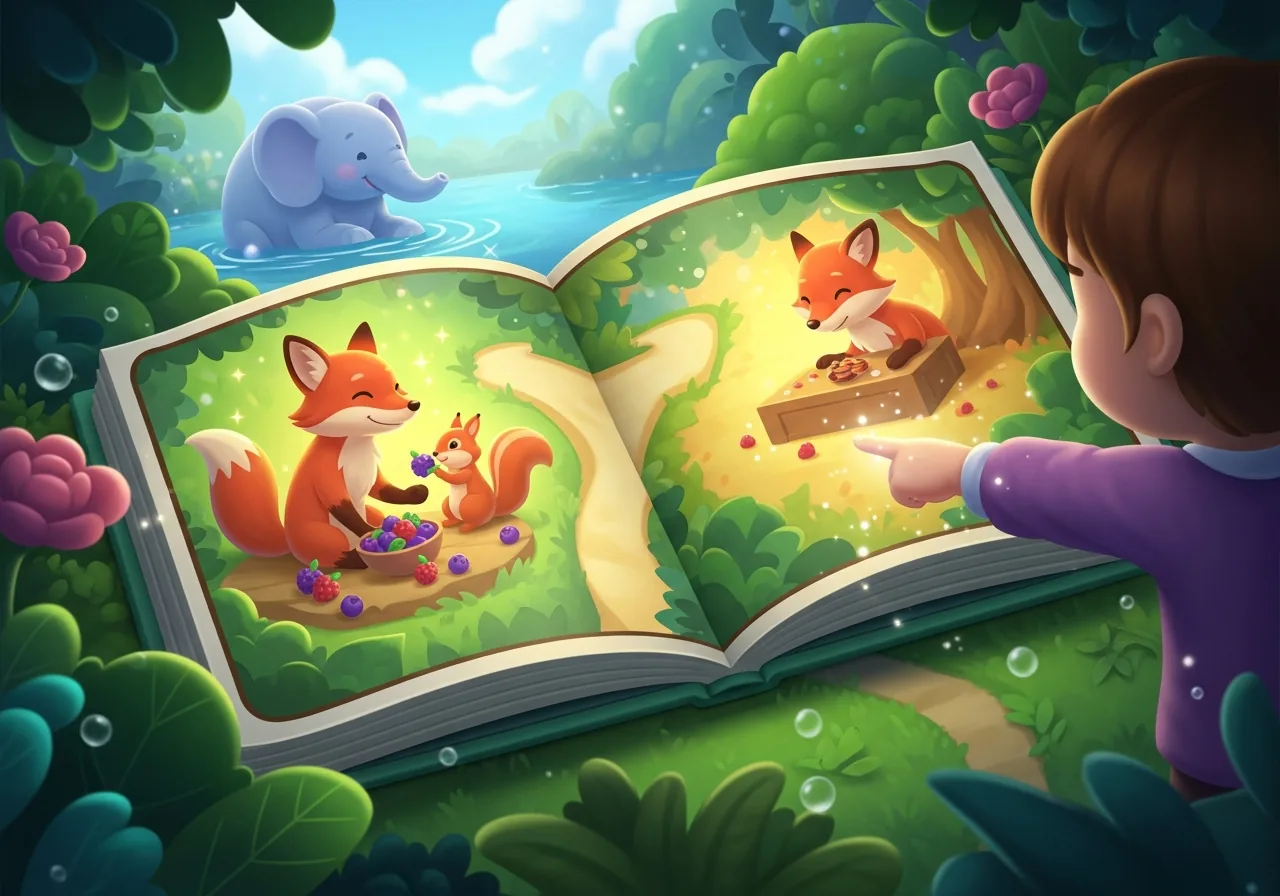
While a good story can certainly teach valuable lessons, interactive stories amplify this effect by placing children directly into the heart of the narrative. No longer mere spectators, they become co-creators, making choices that steer the plot and determine character outcomes. This "choose-your-own-adventure" format is not just entertaining; it's a powerful pedagogical tool for emotional intelligence. When a child decides if a character should share their snack or keep it for themselves, they're not just picking an option; they're actively engaging with the concepts of generosity, selfishness, and the immediate consequences of those actions.
Consider platforms like Twistale, which exemplify this innovative approach. Instead of a linear storyline, children are presented with forks in the road, each leading to a different path and a unique set of challenges and emotional responses. This hands-on decision-making process teaches children that their actions have an impact, not only on themselves but on the characters within the story. If a child chooses for a character to be unkind, they immediately see the character's friend become sad, perhaps even cry. Conversely, a choice of kindness might lead to a joyous shared moment. This immediate feedback loop is incredibly effective for young learners, cementing the connection between action and consequence in a way that abstract discussion often cannot.
By exploring various outcomes, children develop a more nuanced understanding of complex social situations. They learn to predict reactions, consider alternatives, and develop critical thinking skills that are essential for real-world emotional regulation and social interactions. This active participation fosters a deeper sense of responsibility and accountability, transforming emotional lessons from theoretical concepts into tangible experiences.
Nurturing Empathy and Understanding with Every Choice
The true genius of interactive stories lies in their ability to cultivate empathy. When a child makes a decision for a character, they become invested in that character's journey and feelings. If their choice leads to a character feeling sad or lonely, the child feels a direct connection to that outcome. This personal connection is a powerful catalyst for empathy, encouraging children to think beyond themselves and consider the emotional states of others. For instance, in a story featuring a character like Siso the tiger, a child might choose how Siso reacts to losing a favorite toy. Does Siso get angry? Does he ask for help? Each choice reveals a different emotional path and its subsequent impact on Siso and those around him, allowing the child to vicariously experience and understand a range of emotional responses.
This active engagement moves children beyond simply recognizing emotions to understanding their origins and consequences. They learn that being angry might push friends away, while expressing sadness appropriately might bring comfort and support. Interactive stories provide a safe laboratory for experimenting with social norms and emotional boundaries. Children can "try on" different reactions without real-world repercussions, learning which approaches lead to positive outcomes and which lead to negative ones. This iterative process of choosing, observing, and reflecting is vital for developing sound judgment and fostering ethical decision-making skills.
Ultimately, these interactive books for emotional development kids build a strong foundation for social-emotional learning. They don't just tell children how to be empathetic or kind; they provide an immersive experience where empathy and kindness become active choices with visible, understandable results. By regularly engaging with these stories, children develop a richer emotional vocabulary, an enhanced ability to understand others' perspectives, and the confidence to navigate their own emotional landscapes with greater self-awareness and compassion.
In conclusion, the journey to raising emotionally intelligent children is multifaceted, and interactive stories offer an incredibly potent and engaging pathway. By moving beyond passive reading to immersive, choose-your-own-adventure narratives, parents can empower their children aged 2 to 7 to actively explore emotions, understand consequences, and cultivate deep empathy. These books for emotional development kids are more than just entertainment; they are vital tools for building the emotional resilience and compassionate understanding that will serve our children throughout their lives. Embrace the magic of interactive storytelling, and watch your child's emotional world blossom.